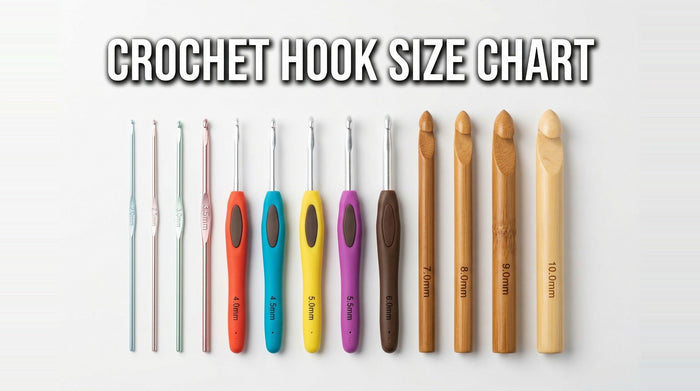
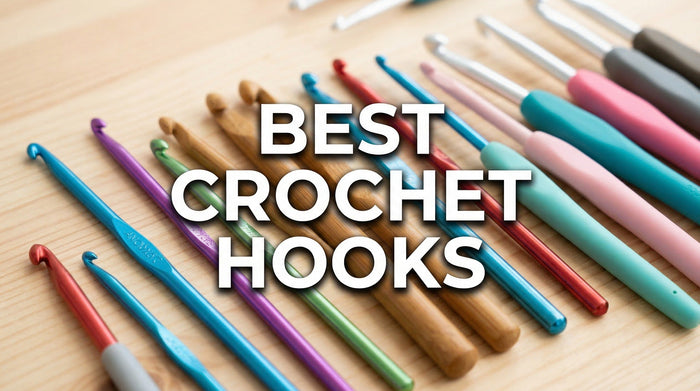
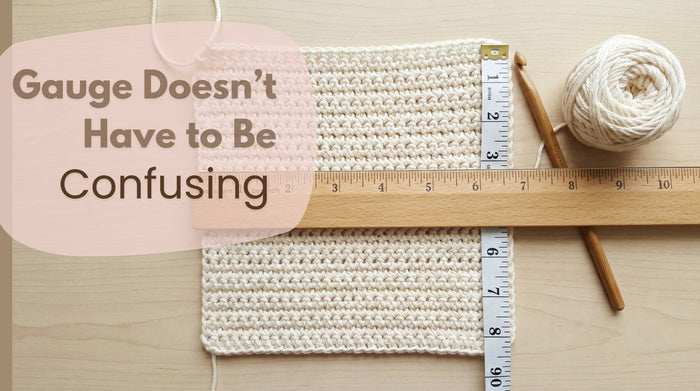
When hand pain starts to creep into your crochet time, it can feel like your favorite hobby is being taken away. But it doesn't have to be that way! The secret often lies in your most essential tool: the crochet hook itself. For those of us with achy joints, the best crochet hooks for arthritis are ergonomic hooks. These aren't just regular hooks; they're thoughtfully designed with wider, softer, and specially shaped handles to ease the strain, letting you stitch for hours with far less discomfort.
Finding Joy in Every Stitch with the Right Hook
It’s incredibly disheartening when pain interrupts your creative flow. But let me encourage you: this absolutely does not mean you have to hang up your hooks for good. More often than not, the solution is as simple as swapping your old tool for one designed with comfort in mind. This small change can transform your entire experience, turning painful sessions into peaceful ones.
Ergonomic crochet hooks are a crafter's best friend, especially when dealing with arthritis. They're made to support your hands, so you can get lost in the rhythm of your stitches instead of focusing on the ache. Of course, a great hook is just one piece of the puzzle. It's also helpful to explore holistic approaches, like natural strategies to lower inflammation and reduce stress, which can have a big impact on hand mobility.
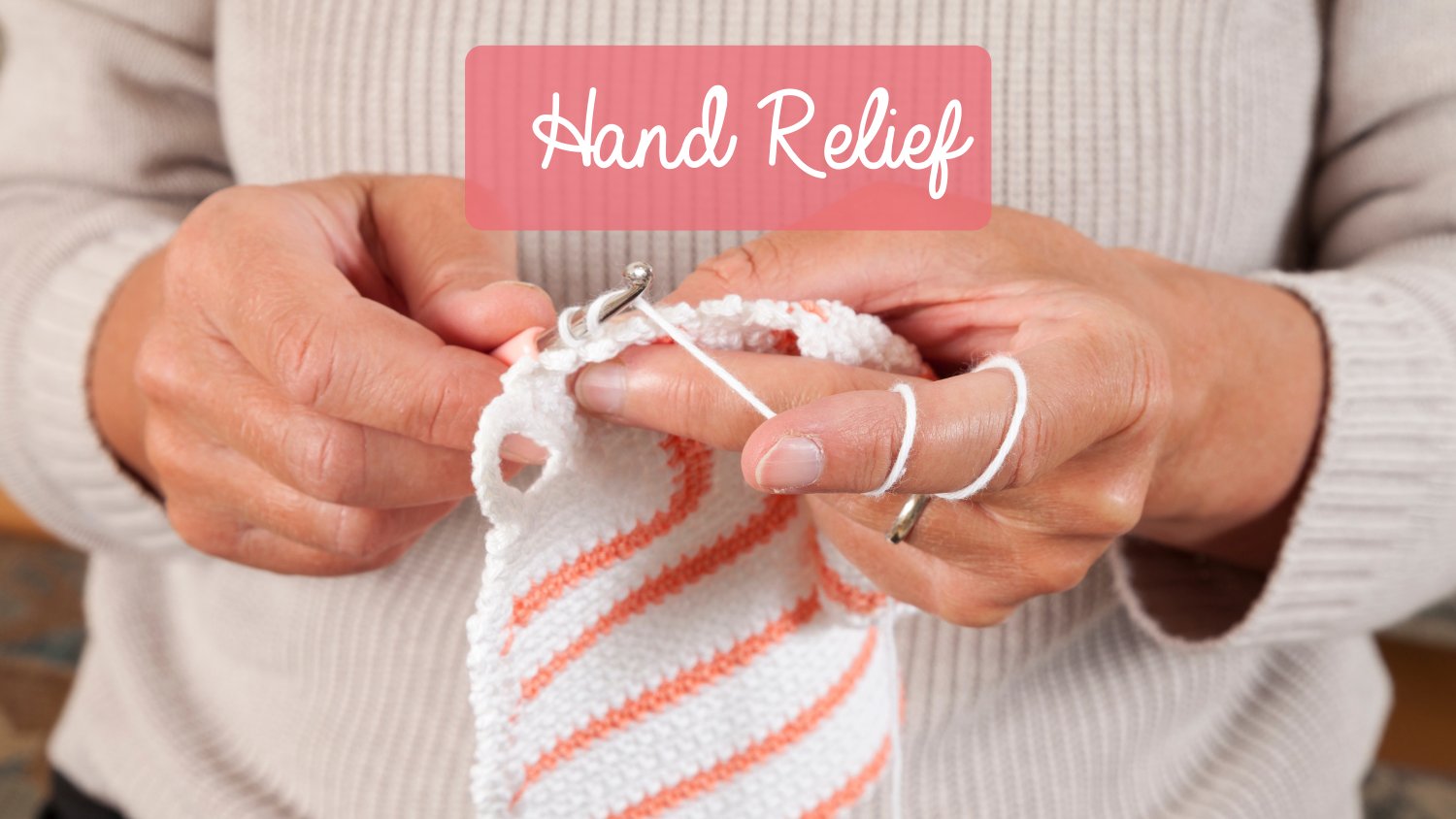
Why an Ergonomic Hook Makes All the Difference
An ergonomic hook is so much more than a standard hook with a chunky handle, it's a total game-changer for your comfort! The magic lies in how it distributes pressure evenly across your palm. This means your fingers don't have to clench so tightly, which dramatically reduces the stress on those delicate joints. It’s a simple concept, but the relief is immense.
And if you’re looking for a more comfortable way to crochet, you are definitely not alone. Many crafters face this challenge, which has pushed designers to create amazing innovations in hook technology specifically to keep us doing what we love. So, what exactly should you look for? Here’s a quick guide to the key features that make a hook truly arthritis-friendly.
Key Features of Arthritis-Friendly Crochet Hooks
|
Feature |
How It Helps With Arthritis |
What to Look For |
|---|---|---|
|
Wide, Cushioned Handle |
Reduces the need for a tight "pinch grip," lessening finger and joint strain. |
Soft silicone, smooth polymer clay, or rubberized grips. The handle should feel substantial but not heavy. |
|
Contoured Shape |
Fits the natural curve of your hand, promoting a more relaxed and neutral wrist position. |
Indentations for your thumb and forefinger, or a handle that swells in the middle to fill your palm. |
|
Lightweight Material |
Prevents fatigue in your hand, wrist, and forearm during long crochet sessions. |
Bamboo, lightweight resin, or aluminum hooks with hollow ergonomic handles. |
|
Smooth Hook Head |
Allows yarn to glide effortlessly, reducing the tension and force needed to form stitches. |
Polished metal (like aluminum or steel) or slick, well-finished plastic heads. |
Essentially, you're looking for a tool that feels like a natural extension of your hand. Once you find that perfect fit, you'll be able to get back to the mindful, rhythmic motion of crocheting that we all cherish.
Understanding Ergonomic Hook Design
So, what actually makes a crochet hook “ergonomic”? It’s a bit like finding the perfect kitchen knife, the one that feels like it was made just for you. Instead of forcing your hand into an awkward, tight pinch, an ergonomic hook is shaped to fit your hand's natural resting position. This smart design is what lets you crochet for hours without the aches and pains.
The main idea is to cut down on strain. A standard, skinny metal hook makes you clench your fingers and thumb to keep a good grip, putting a lot of stress on your joints. Ergonomic hooks flip this around completely by giving you a bigger handle, which spreads the pressure out across your hand.
The Core Principles of Comfort
Ergonomic hooks aren't just about slapping a big handle on a normal hook; there’s some clever thinking behind them. Once you know what to look for, you can spot a hook that’s genuinely designed for comfort. These features all work together to make a tool that helps you, not hurts you.
- Contoured Shape: The handle is molded to fit the natural curves of your palm and fingers. This lets you relax your grip and keeps your wrist in a much healthier, neutral position.
- Wider Surface Area: A thicker handle means you don't have to grip as hard. It fills your hand, letting you hold the hook with a gentle, open grasp instead of a tight pinch.
- Lightweight Build: A heavy hook can tire out your hand, wrist, and even your forearm after a while. Most ergonomic hooks are made from lightweight materials to avoid adding extra strain.
How Shape Supports Your Grip
The shape of the handle is everything because it directly changes how you hold the hook. Many have a soft bulge in the middle that fits right into your palm, while others might have a little indentation just for your thumb. This simple guidance helps you keep a steady, relaxed grip without even trying.
This intentional shaping can make a huge difference in how comfortable you feel, so you can get lost in the relaxing rhythm of your stitches instead of worrying about your hands starting to hurt. If you want to dive deeper into all the different hook styles out there, take a look at our guide on how to choose the perfect crochet hook. Knowing these details helps you find a tool that truly fits you, making your craft time nothing but joy.
Choosing the Right Handle Material and Shape
When you’re looking for the best crochet hooks for arthritis, the handle is where the magic really happens. Think of it like finding the perfect pair of shoes, the right fit and material can mean the difference between a painful chore and a joyful walk in the park. The handle is your main point of contact, and its design has a huge impact on how much strain your hands feel.
The whole point is to find a handle that feels like a natural extension of your hand, not some awkward tool you have to wrestle with. Ergonomic hooks are built from the ground up to reduce stress on sensitive joints. This image gives you a great visual of the kinds of thoughtful designs that can bring comfort back to your craft.
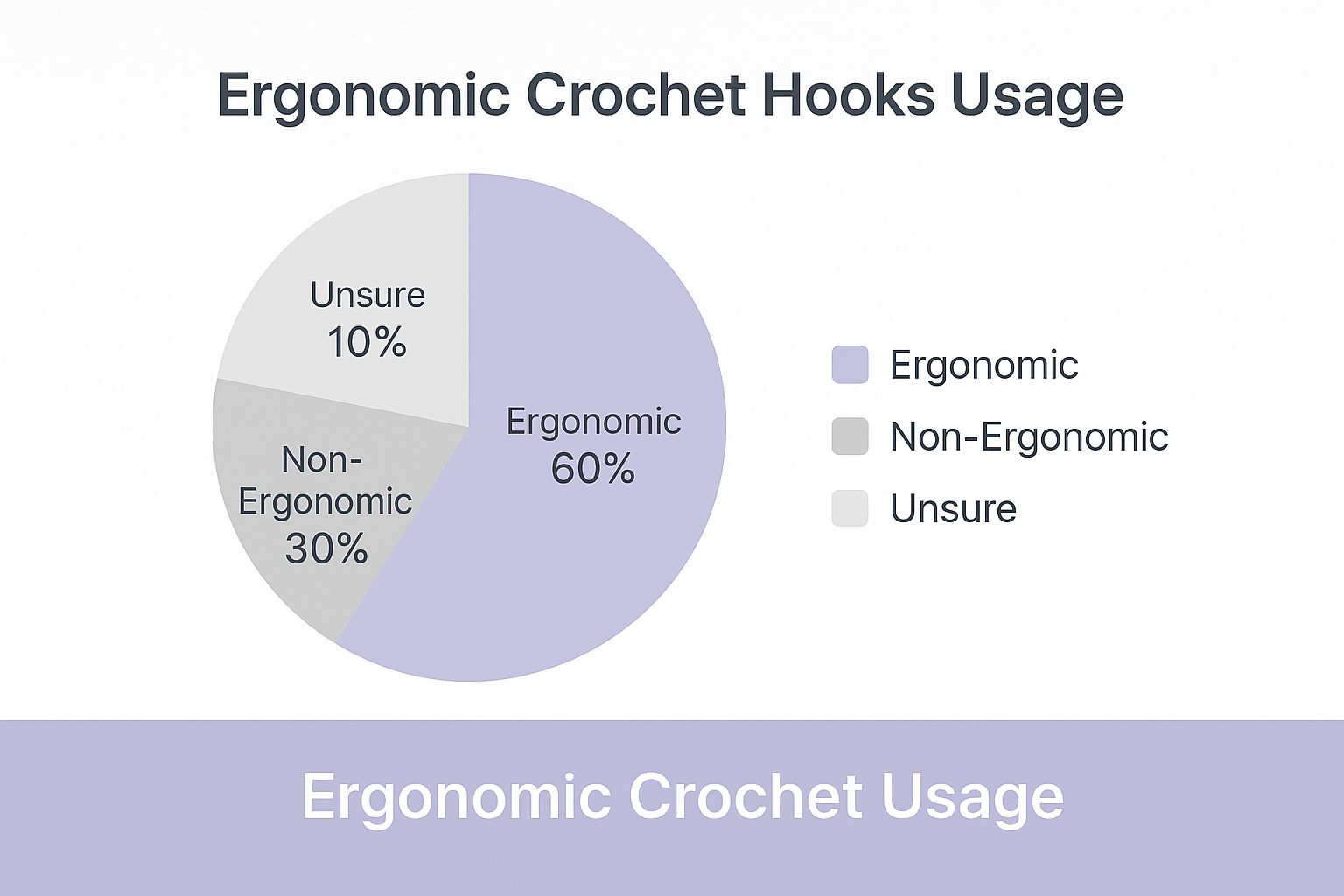
As you can see, it's all about creating a supportive and comfortable experience so you can keep doing what you love.
Soft-Grip Handles for Cushion and Control
Soft-grip handles are a fantastic place to start if you're dealing with hand pain. Usually made from silicone or rubber, they give your fingers and palm a gentle cushion. This padding absorbs some of the pressure you'd normally put on your joints, which is a game-changer.
That slight tackiness of a soft grip also means you don't have to clench the hook so tightly to keep it from slipping. It’s a lifesaver when you're working with smooth mercerized cotton yarn, letting you relax your hand and get into that beautiful, fluid rhythm of stitching.
Wooden Handles for Warmth and Lightness
Another wonderful option is a hook with a smooth, carved wooden handle. Unlike the chilly feel of a standard metal hook, wood is naturally warm to the touch, which can be incredibly soothing for stiff, achy joints. They’re also surprisingly lightweight, helping to stave off hand and wrist fatigue during those longer crochet sessions.
A well-sanded wooden handle just feels good in your hand, offering a solid yet gentle grip. For many of us, the organic feel of wood deepens the connection to our craft, making each project feel a bit more special. If you're just dipping your toes into the world of hooks, our beginner's guide to buying crochet hooks has even more great insights.
Finding the Right Shape for Your Grip
Okay, so we've talked material. But the shape of the handle is just as crucial for your comfort. Everyone holds their hook a little differently, but most of us fall into one of two camps: the pencil grip or the knife hold. Your personal grip style is the number one thing to consider when choosing a handle shape. A handle that feels amazing for a knife-hold crocheter might feel completely wrong for someone who uses a pencil grip.
Here’s a quick rundown to help you match a handle shape to your style:
- Bulbous or Rounded Handles: These thicker shapes are designed to fill your palm and are often perfect for the knife hold. They spread the pressure out across your entire hand instead of concentrating it in your fingertips.
- Contoured or Tapered Handles: These often have a little indent for your thumb, giving fantastic support for the pencil grip. This guided placement helps you relax your hold while maintaining precise control over your stitches.
Let's break down the most common materials in a quick comparison.
Comparing Crochet Hook Handle Materials
Choosing a handle material is a personal decision based on what feels best in your hand. Here’s a look at the benefits of each to help you decide.
|
Handle Material |
Primary Benefit |
Best For |
|---|---|---|
|
Silicone/Rubber |
Cushions joints and provides a non-slip surface |
Crocheters who need pressure absorption and a secure, relaxed grip. |
|
Wood |
Naturally warm to the touch and lightweight |
Those with stiff joints who find cold metal uncomfortable. |
|
Hard Plastic |
Often molded into very specific ergonomic shapes |
People who need a highly contoured handle to guide their finger placement. |
|
Clay (Polymer) |
Can be custom-molded to fit an individual's hand |
Crafters with unique grip needs who want a truly personalized tool. |
Ultimately, trying a few different styles is the best way to find your perfect match. Don't be afraid to experiment! When you find the right hook, you can spend more time enjoying the creative process and less time thinking about hand pain.
Why the Hook Tip and Material Also Matter
While a cushioned handle is a game-changer for comfortable crafting, it’s only half the story. The rest of the hook plays a surprisingly big role in how your hands feel. Think of the entire tool as a single system designed to make stitching feel effortless, and the material and shape of the shaft and tip are critical to that mission.
The main goal here is to cut down on friction. A slick, smooth surface lets the yarn glide without snagging or dragging, which means your hands don't have to work nearly as hard to pull each loop through. This becomes incredibly helpful when you're working on detailed amigurumi with fingering weight (thin, good for detail) mercerized cotton yarn, as those finer fibers can sometimes be a bit fussy.

The Magic of a Smooth Shaft
This is exactly why so many of the best crochet hooks for arthritis are made with polished aluminum or steel shafts. These materials are incredibly smooth, letting yarn slide over them with almost no resistance. That fluid motion means less pulling and tugging from you, which directly translates to less stress on your wrist and finger joints.
A silky finish also helps prevent your yarn from splitting or catching. This not only makes crocheting more enjoyable but also helps you maintain a consistent gauge (the size of your stitches) and a relaxed, even tension. When your tool works with you instead of against you, you’ll find you can crochet for much longer and with far more comfort.
Demystifying Hook Tip Styles
Beyond the shaft material, the actual shape of the hook’s tip, the business end, can make a huge difference in your experience. You'll generally come across two main styles, and each one has a totally different feel.
- Inline Hooks: These have a deeper groove, or "throat," and a pointier head that sits perfectly in line with the shaft. This design is fantastic for grabbing yarn securely, giving you a wonderful sense of control that’s perfect for creating neat, precise stitches.
- Tapered Hooks: These have a more rounded head and a shallower throat that isn't cut as deeply. Many crocheters find this style allows for faster stitching because the hook can slide in and out of stitches more quickly and smoothly.
Your choice between an inline or tapered hook is completely personal. There’s no right or wrong answer, it all comes down to what feels most natural in your hands and works best with your unique crocheting motion.
Ultimately, once you understand these subtle but important features, you can see how every single part of a crochet hook works together to create a pain-free experience. By pairing a comfy ergonomic handle with a smooth shaft and the right tip style, you're building the perfect tool to support your craft, letting you focus on the simple joy of creating.
If you'd like the full picture of every hook type and material before narrowing down to arthritis-friendly picks, our complete guide to the best crochet hooks compares them all side by side.
Practical Habits for Crocheting with Hand Pain
Finding the perfect ergonomic hook is a fantastic first step, but the right tools are only part of the puzzle. When you pair them with a few mindful habits, you'll be amazed at the difference it makes. Think of these practices as little acts of kindness to your hands that will let you crochet joyfully for years to come.
Gentle Warm-Ups for Happy Hands
Before you even touch your hook, take a minute or two to warm up your hands. Just like an athlete stretches before a big game, prepping your muscles and joints for the repetitive motions of crochet can keep stiffness and pain at bay. A little prep goes a long, long way.
Here are a few gentle warm-ups you can try right now:
- Finger Fans: Gently spread your fingers as wide as you comfortably can. Hold for a few seconds, then relax them into a soft fist. Repeat this about five times to wake up all those little muscles.
- Wrist Circles: Hold your arms out and slowly roll your wrists in clockwise circles a few times, then switch directions. This simple motion helps lubricate the wrist joints.
The Power of Posture and Pauses
It's so easy to get lost in a project and suddenly realize you've been hunched over for an hour. But your posture affects everything, right down to your hands. Try to sit in a comfy, supportive chair with your feet flat on the floor. Keep your shoulders down and your back straight. Good alignment reduces strain on your neck, shoulders, and arms, which can prevent a whole chain reaction of aches.
Just as important is building breaks into your crafting rhythm. To prevent repetitive strain, it’s a great idea to crochet for about 20 minutes, then take a short rest to stretch and reset. Crocheting is a marathon, not a sprint. Giving your hands short, frequent breaks is one of the most effective ways to prevent fatigue and enjoy longer, more comfortable crafting sessions overall.
Find Your Tension Sweet Spot
A surprising amount of hand tension comes from how you hold your yarn. If you notice your knuckles are white while you work, it's time to experiment! Play around with different ways of wrapping the yarn around your fingers until you find a method that feels loose and relaxed. There’s no right or wrong way, what matters is that the yarn flows smoothly without you having to grip it for dear life.
Keep Your Passion for Crochet Alive
If you’ve been worried that arthritis means giving up crochet, I hope you see now that it’s completely possible to keep going. Finding the best crochet hooks for arthritis is the first, most important step you can take toward getting back to the craft you love. If you're looking for guided projects to ease back in, our crochet courses are designed with comfort in mind. Ergonomic handles and slick hook tips aren't just fancy features, they’re your ticket to creating without the pain.
Your love for making things is worth protecting. When you pair the right tools with gentle habits, you give your hands the support they need to let your creativity run wild again. Listen to your body, don’t be afraid to take breaks, and give yourself a little pat on the back for every stitch you make. Remember, crochet is a journey, not a race. The goal is to find joy, connection, and healing in the rhythmic motion of your hook and yarn.
We hope this guide has given you the confidence to pick up your hook with fresh hope. The right tool and a gentle approach truly can make all the difference, helping you make beautiful things comfortably. Your crafting journey is far from over, in many ways, it's just getting started again. Enjoy every moment.
Frequently Asked Questions
Even after you've found some great tools, it's totally normal to have a few lingering questions. Let's tackle some of the most common ones that come up.
Can I Make My Current Crochet Hooks More Ergonomic?
You sure can! If you're on a budget or just need a quick fix, you can absolutely modify the hooks you already own. A simple trick is to slide a soft pencil grip over the handle or wrap it with cushioned foam tape to give it a bit more bulk.
While these DIY hacks are great for providing some immediate relief, it's worth remembering that professionally designed ergonomic hooks will almost always give you more consistent and lasting comfort. They've been shaped with the express purpose of supporting your hand, which is a difference you can really feel.
Does the Weight of a Crochet Hook Matter for Arthritis?
Oh, absolutely. The weight of your hook plays a huge role in how quickly your hands get tired during a crochet session. For most crafters with arthritis, lighter is definitely better.
When you choose hooks made from lightweight materials like aluminum, bamboo, or certain woods, you're reducing the overall strain on your hand and wrist. Less weight means your muscles don't have to work as hard with every stitch, which can lead to longer, much more comfortable crafting time.
How Do I Know Which Ergonomic Hook Is Right for Me?
This is such a personal decision because what feels like a dream to one person might not work for another. The best way to find your perfect match is to try holding a few different styles, if you can, to see what feels most natural in your hand.
The most important thing is how the hook works with your specific grip. Really pay attention to whether you crochet with a "pencil grip" or a "knife hold" and look for a handle that supports that motion. It seems like a small detail, but it can make a world of difference in your comfort.