Welcome, fellow crafter! There's a special kind of magic in creating a crochet blanket. It's a hug you can make with your own hands, a cozy companion for quiet moments, and a beautiful expression of your creativity. But where do you begin? The world of crochet stitches is vast and exciting, and choosing the right one can transform a simple project into a cherished heirloom.
Whether you're a beginner eager to start your first afghan or an experienced crocheter looking for fresh inspiration, this guide is for you. We'll explore a curated selection of seven different crochet stitches for blankets, each with its own unique texture, rhythm, and personality. Handmade blankets are not just functional; they are beautiful accents.
Forget feeling overwhelmed; think of this as a gentle, encouraging journey. Together, we'll dive into stitches that range from modern and geometric to classic and plush. We will cover key characteristics, difficulty levels, and the best yarn choices for each pattern. Let's get started on creating something truly wonderful that brings you joy and a sense of calm with every loop and pull of your hook.
1. Granny Square Stitch
The Granny Square stitch is a cornerstone of crochet, renowned for its modular and versatile nature. This technique involves creating clusters of double crochet stitches separated by chain spaces, worked in rounds from the center outward. The result is an iconic square motif that can be made in countless color combinations. Its place at the top of many lists of different crochet stitches for blankets is well-earned, as it's a perfect project for beginners.
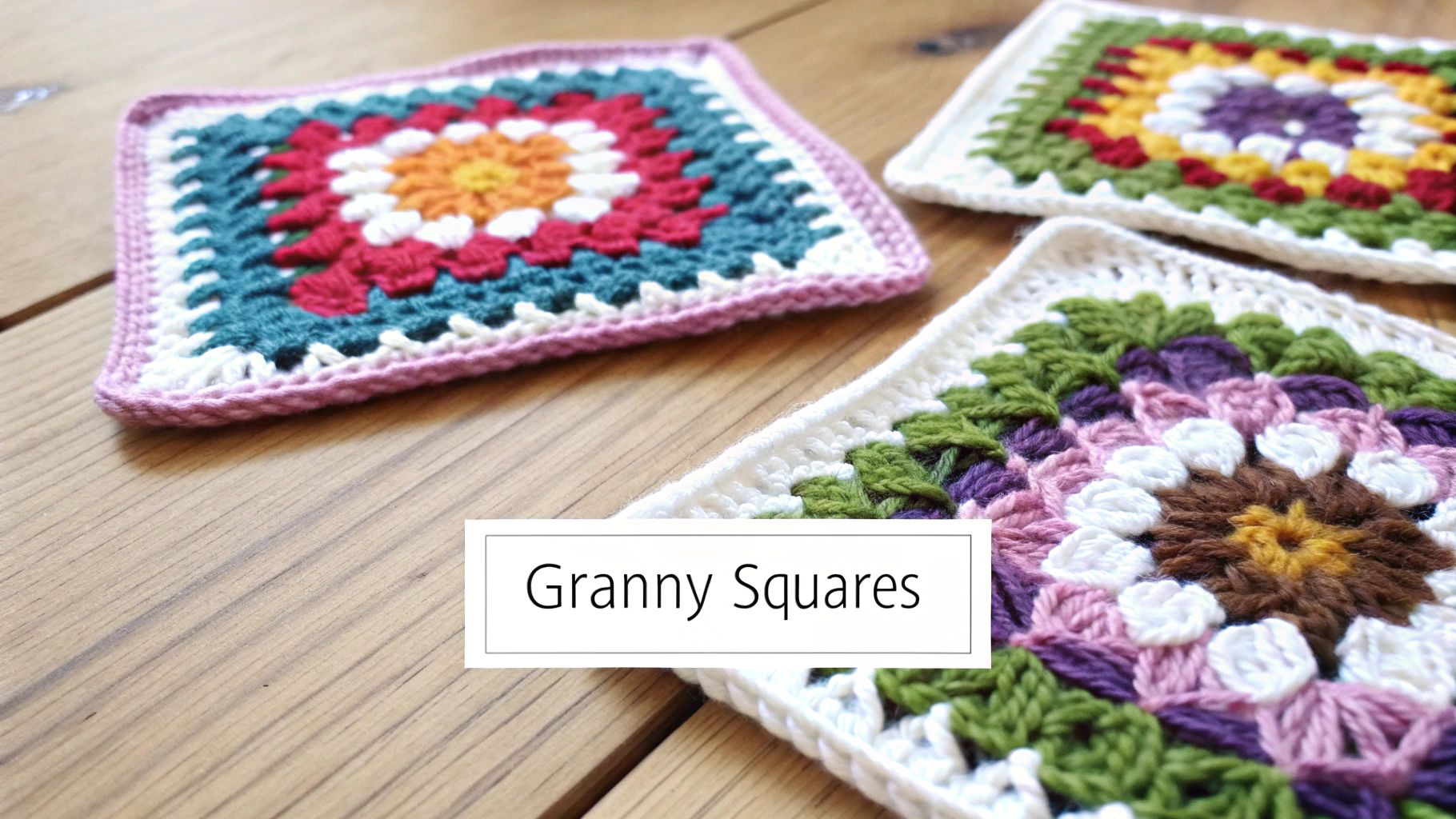
This method’s magic lies in its "building block" approach. Instead of working on a single, large piece, you create individual squares and join them later. This makes the project portable and less intimidating. The repetitive motion of creating the clusters is meditative, embodying the mindful joy of crafting and connection.
Why It’s Great for Blankets
The granny square is ideal for blankets because it allows for immense creative freedom. You can craft a vibrant, free-spirited throw using leftover scrap yarn, or plan a sophisticated, vintage-inspired afghan with a specific color palette. The modular design also means you can easily customize the blanket's final dimensions by simply adding more squares.
Actionable Tips for Perfect Granny Squares
To ensure your blanket comes together beautifully, here are a few actionable tips to practice:
- Maintain Consistent Tension: Try to keep your stitch tension the same from one square to the next. This prevents size variations that can make joining difficult later.
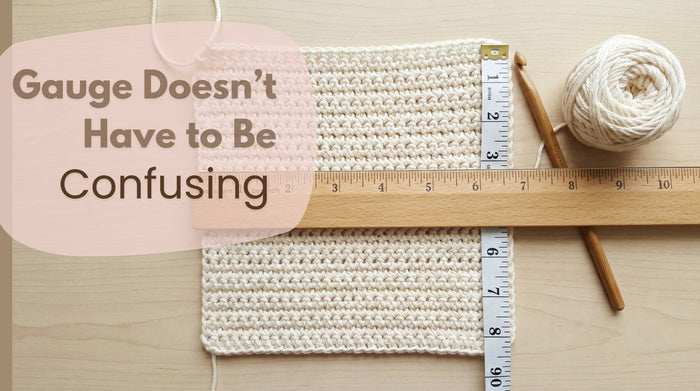
- Create a Gauge Square: Before starting, make one full square to measure. This helps you confirm that all your subsequent squares will be a uniform size, leading to a neat and professional finish.
- Plan Your Joining Method: Decide how you will connect your squares before you begin. Common methods include slip stitching, single crocheting, or sewing them together with a yarn needle. Choose one that feels comfortable for your skill level.
- Block Before Joining: For the crispest edges and most uniform shape, consider blocking each square. This involves wetting or steaming the square and pinning it to a mat to dry in the perfect shape.
2. C2C (Corner-to-Corner) Stitch
The C2C, or Corner-to-Corner, stitch is a modern and popular technique that builds fabric on a diagonal grid. Instead of working in traditional horizontal rows, you start from one corner and increase until you reach the desired width before decreasing toward the opposite corner. This method uses small "tiles" or "pixels," typically made of a chain and three double crochet stitches, to create a beautifully textured and flexible fabric.
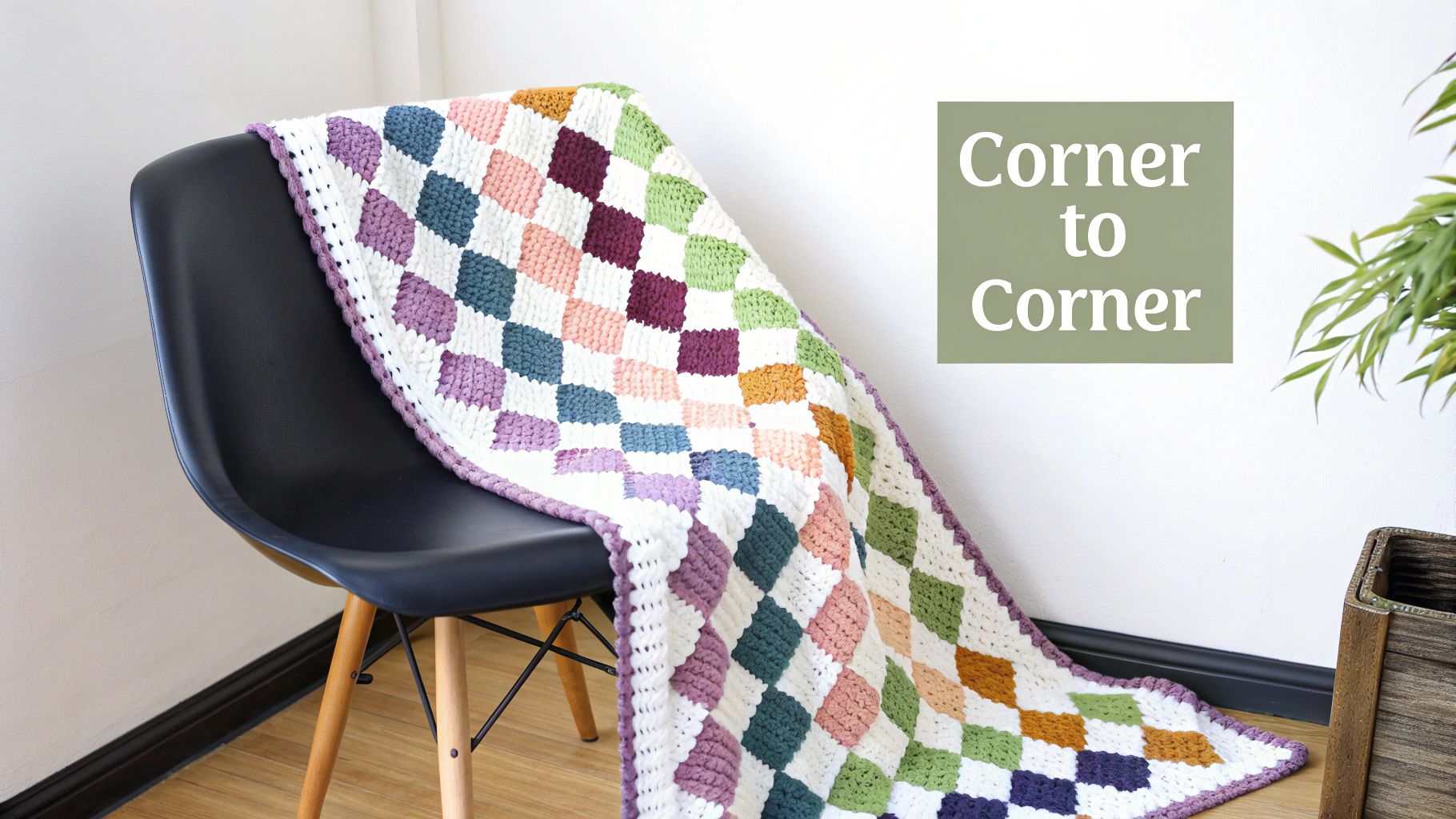
This diagonal approach makes C2C one of the most unique and visually striking different crochet stitches for blankets. Its grid-based nature is perfect for creating "graphgans," which are blankets made from a pixel graph. This opens up a world of creative possibilities, from geometric patterns to charming images. The process is rhythmic and satisfying as you watch your design come to life one square at a time.
Why It’s Great for Blankets
C2C is fantastic for blankets because it makes colorwork and picture-based designs incredibly accessible. The block-building method simplifies complex images into manageable squares, allowing crafters to "paint with yarn." It’s also highly customizable; you can easily adjust the size by controlling the increase and decrease rows. The resulting blanket has a wonderful drape and texture that is both cozy and visually impressive.
Actionable Tips for Perfect C2C Blankets
Ready to give it a try? Here are a few practical tips for a successful C2C project:
- Plan Your Design: Use graph paper or a digital program to chart out your image before you start. Each square on the graph will represent one C2C block, making it easy to follow along.
- Manage Your Yarn: For designs with multiple colors, use yarn bobbins to hold smaller amounts of each color. This prevents your yarn from tangling as you switch between shades.
- Weave in Ends as You Go: To avoid a massive finishing task, weave in your yarn ends every few rows. This keeps the back of your work tidy and makes the final steps much less daunting.
- Keep a Row Counter: It can be easy to lose your place, especially during the decrease section. Use a row counter or a simple tally sheet to track your progress and ensure your blanket remains symmetrical.
3. Ripple/Chevron Stitch
The Ripple or Chevron stitch creates a dynamic, wavelike fabric that is instantly recognizable and visually captivating. This technique uses a series of increases and decreases, typically with double crochet stitches, to form distinct peaks and valleys. The rhythmic up-and-down motion produces a beautiful zigzag pattern that has been a favorite for generations of crafters.
This stitch's appeal lies in its mesmerizing, flowing lines. Working a ripple pattern is a lesson in rhythm and counting, as the structure depends on placing increases at the peaks and decreases in the valleys. The result is a beautifully textured fabric that looks far more complex than it is to create, making it one of the most rewarding different crochet stitches for blankets.
Why It’s Great for Blankets
The Ripple stitch is perfect for blankets due to its striking visual impact, especially when worked in multiple colors. The zigzag lines are ideal for creating bold rainbow stripes, gentle ocean-wave themes, or sophisticated two-tone designs. Because the pattern is a one-row repeat, it's easy to memorize, allowing for a relaxing crochet session once you get the hang of it. This stitch also works wonderfully with various yarn weights, from a light DK for a baby blanket to a chunky chenille for a cozy throw.
For a quick reference on this stitch's core mechanics, the summary box below highlights its key characteristics.
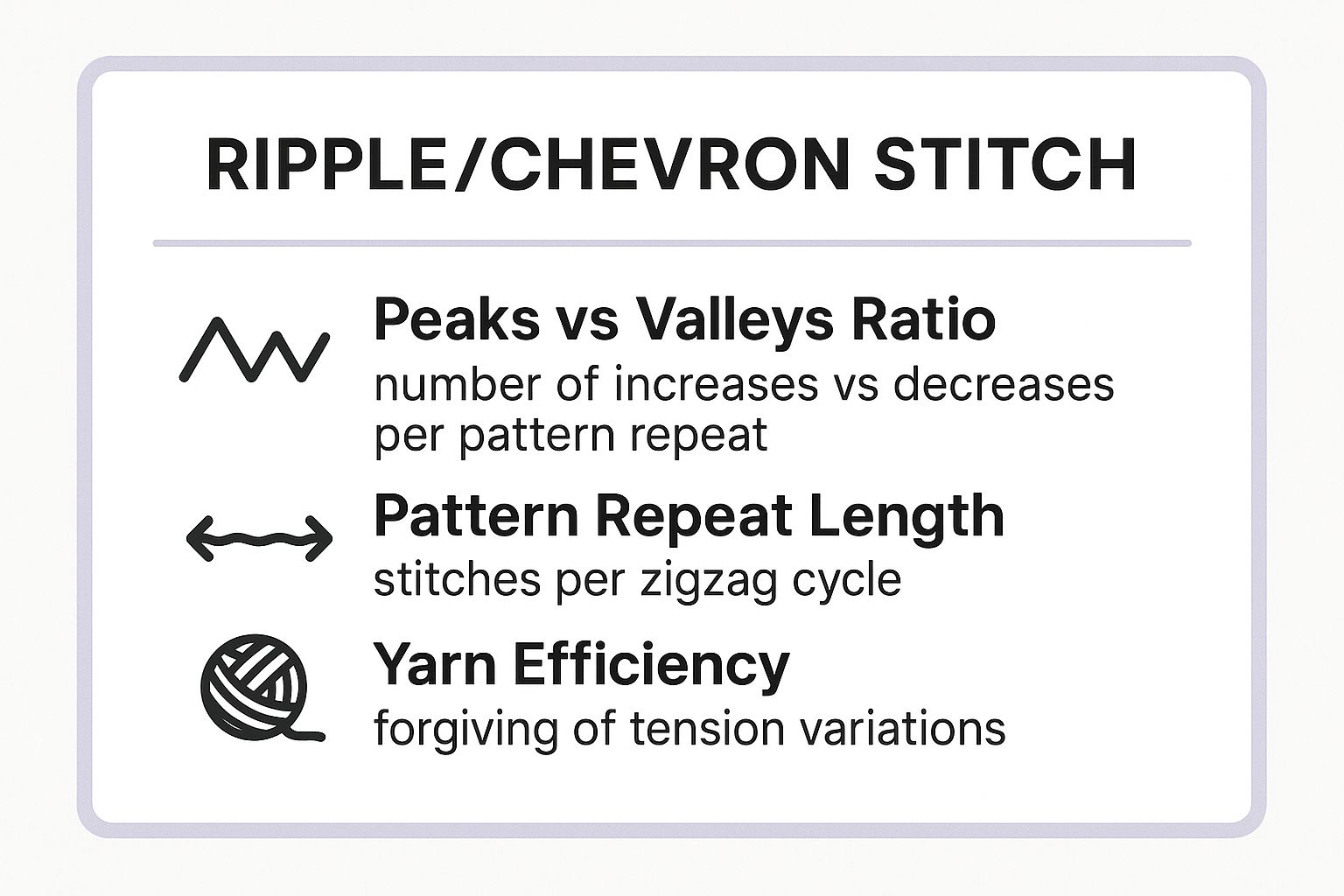
These details show how the balance of increases and decreases forms the pattern's structure, which is forgiving of slight tension changes.
Actionable Tips for Perfect Ripples
To achieve a clean and consistent ripple pattern, try these simple, actionable tips:
- Use Stitch Markers: Place stitch markers at the peak (increase) and valley (decrease) stitches of your first pattern row. This will save you from constantly recounting and help you keep your place.
- Count Your Stitches Regularly: Especially in the first few rows, count the stitches between each peak and valley to ensure the pattern stays consistent. A small mistake can throw off the entire project's geometry.
- Block Your Finished Blanket: Blocking can make a huge difference for this stitch. Wetting or steaming your finished blanket and pinning it out to dry will open up the stitches and really define the sharp peaks and valleys.
- Choose Contrasting Colors: To make the chevron pattern pop, use colors with high contrast. This will emphasize the zigzag movement and create a visually stunning effect.
4. Shell Stitch
The Shell Stitch is an elegant technique that creates beautiful, fan-shaped clusters resembling seashells. This classic pattern is formed by working multiple double crochet stitches (typically five to seven) into the same stitch or space, creating a distinctive "shell." These fans are usually separated by single crochet stitches, which anchor them and create a gentle, scalloped texture.
Its timeless appeal comes from the way it balances texture with a touch of openwork, making it look far more complex than it is to create. The repetitive rhythm of forming each shell is calming and meditative, making it a joy to work on while creating a truly stunning piece. It's a fantastic choice for anyone looking to add a touch of vintage charm or delicate sophistication to their project.
Why It’s Great for Blankets
The Shell Stitch is perfect for blankets because it produces a fabric with a lovely drape and a decorative finish. It works well for elegant living room throws, lacy baby blankets, or vintage-inspired bedspreads. The structure is solid enough to be warm but has enough space within the pattern to feel light and not overly dense.
This stitch is incredibly versatile depending on your yarn choice. A cotton blend (DK or worsted weight) will create a breathable afghan, while a cozy acrylic or wool will result in a plush, comforting blanket perfect for colder months.
Actionable Tips for Perfect Shell Stitches
To make your shell stitch blanket look polished and professional, focus on these simple details:
- Count Your Shells, Not Stitches: To easily keep track of your progress and catch mistakes early, count the number of shells in each row rather than every individual stitch.
- Use a Larger Hook for Draping: If you want a blanket that is soft and flowing rather than stiff, try going up a hook size from what your yarn label recommends. This will open up the shells and enhance the drape.
- Block Your Finished Project: Blocking is key for this stitch. Wetting or steaming your blanket and pinning it to shape will open up the shell pattern beautifully, define the scallops, and even out any tension inconsistencies.
- Keep Your Edges Tidy: Shell stitches can create a naturally wavy edge. If you prefer a more uniform finish, consider adding a simple border of single or half-double crochet. For guidance on maintaining neat sides, explore resources that teach you how to crochet straight edges on crochetree.com.
5. Moss Stitch (Granite Stitch)
The Moss Stitch, also called the Granite Stitch, creates a beautifully textured, dense, and modern fabric with a wonderful drape. This stitch pattern is achieved through a simple and rhythmic alternation of a single crochet and a chain stitch. By working the single crochets into the chain spaces of the row below, you build a woven-like material that is both warm and flexible, making it one of the most beloved different crochet stitches for blankets.
Its understated elegance and simplicity make it an excellent choice for showcasing the beauty of a particular yarn or color. The repetitive two-stitch pattern is incredibly meditative, turning your crochet session into a form of mindful relaxation. This stitch is perfect for creating heirloom-quality pieces that feel contemporary and cozy.
Why It’s Great for Blankets
The Moss Stitch is fantastic for blankets because it produces a fabric with no large gaps or holes, resulting in incredible warmth and a satisfying weight. This makes it an ideal choice for cozy winter throws and snuggly baby blankets. The flat, non-bumpy texture is also very comfortable against the skin.
Its subtle texture truly shines in solid-color designs, allowing the yarn’s quality and hue to be the star. Furthermore, it creates clean, crisp lines when used for color-blocking or stripes, giving you endless design possibilities for a modern, sophisticated look.
Actionable Tips for Perfect Moss Stitch
To ensure your moss stitch blanket is soft and even, here are a few actionable tips:
- Go Up a Hook Size: Consider using a crochet hook one size larger than what the yarn label recommends. This helps prevent the fabric from becoming too stiff and enhances its natural drape.
- Maintain Loose Tension: A relaxed tension is key. If your stitches are too tight, the blanket will feel rigid. Focus on keeping your chain stitches from being pulled too taut.
- Count Your Chain Spaces: When checking your work, it is often easier and more accurate to count the chain-1 spaces in each row rather than the individual single crochet stitches.
- Choose Drapey Yarns: This stitch pairs beautifully with soft, drapey yarns. A soft acrylic, a cotton blend, or a merino wool will highlight the stitch’s texture while ensuring the final blanket is wonderfully pliable and soft.
6. Bobble Stitch
The Bobble Stitch is a highly textured technique that brings a playful, three-dimensional quality to any project. These delightful "puffs" are created by working several partially completed double crochet stitches into the same stitch and then joining them all at once. This method creates a raised, bumpy texture that stands out from the fabric, making it one of the most tactile and visually interesting of the different crochet stitches for blankets.
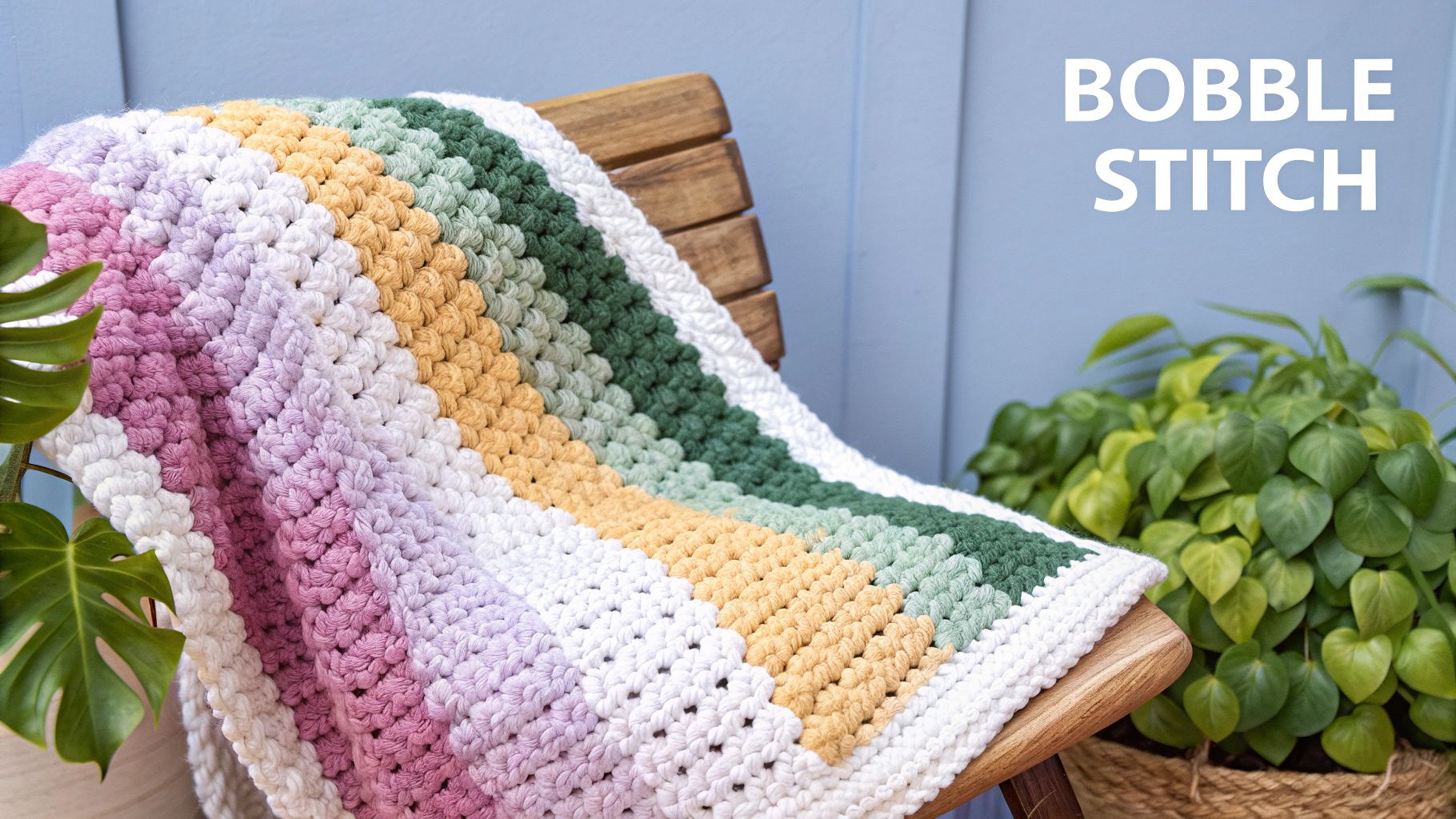
This stitch adds not only visual depth but also a delightful sensory experience. The resulting fabric is plush, cushioned, and cozy, perfect for snuggling under. The process of creating bobbles transforms a simple piece into a statement of comfort and style, embodying the joy of mindful crafting.
Why It’s Great for Blankets
The bobble stitch is fantastic for blankets because it creates an incredibly warm and weighty fabric with a unique, touchable surface. It's an excellent choice for baby blankets, where the texture can provide gentle sensory exploration (with adult supervision), or for luxurious, modern throws that add a high-end, handmade feel to your home. You can use bobbles to create geometric patterns or add a simple polka-dot effect.
Actionable Tips for Perfect Bobbles
To make your bobbles pop perfectly every time, keep these practical tips in mind:
- Choose Smooth Yarn: A smooth yarn, such as a quality acrylic or a cotton blend (worsted weight is often ideal), allows your hook to glide in and out of the multiple loops easily.
- Maintain Even Tension: Consistent tension is key to creating uniform, rounded bobbles. If your tension is too loose, they may look floppy; if it's too tight, the fabric can pucker.
- Plan Your Placement: Bobbles are typically worked on the "wrong side" of the fabric to make them pop out on the "right side," so it's helpful to map out their placement in your design beforehand.
- Practice with a Swatch: Before starting your blanket, create a small test swatch. This helps you master the rhythm of the stitch and ensure you are happy with the texture and drape of the fabric.
7. Waffle Stitch
The Waffle stitch creates a highly textured fabric that looks just like its namesake. This unique effect is achieved by alternating standard double crochet stitches with front post double crochet stitches. This combination creates a grid of raised posts and recessed squares, resulting in a thick, squishy, and incredibly cozy material. Its satisfyingly geometric look makes it one of the most popular different crochet stitches for blankets today.
The magic of this stitch is its three-dimensional quality. The raised posts trap air, making the resulting fabric exceptionally warm and insulated without being overly heavy. The repetitive, rhythmic nature of the post stitches offers a mindful crafting experience, perfect for unwinding while creating something both beautiful and functional.
Why It’s Great for Blankets
The Waffle stitch is a fantastic choice for blankets because of its thermal properties and appealing texture. The deep squares give it a wonderful weight and drape, making it ideal for a cozy couch throw or a modern bedspread. The natural stretch of the fabric adds to its comfort, creating a blanket that is perfect for snuggling.
Actionable Tips for a Perfect Waffle Stitch
To create a flawless waffle stitch blanket, focus on consistency and these easy-to-practice tips:
- Practice Post Stitches: Before you begin your blanket, create a small practice swatch. This will help you get comfortable with the front post double crochet (working around the post of the stitch below).
- Maintain Consistent Tension: Keeping your tension even is crucial for creating uniform waffle squares. If your stitches are too tight, the fabric can become stiff; too loose, and the texture may lose its definition.
- Use Stitch Markers: Place stitch markers at the beginning and end of each row. This helps you keep track of your stitch count and ensures your edges remain straight.
- Choose the Right Yarn: A smooth, worsted-weight yarn in a solid color, like an acrylic or a cotton blend, will show off the texture beautifully. Variegated yarns can sometimes obscure the pattern, so solids or semi-solids often work best.
Choosing the Right Yarn for Your Blanket
The yarn you choose will dramatically affect your blanket's final look, feel, and durability. Here’s a quick, neutral guide to common fiber options, helping you pick the perfect match for your project's needs.
- Acrylic: A budget-friendly and machine-washable choice, making it very common for blankets. It comes in a huge range of colors but can sometimes pill or feel less breathable.
- Cotton Blends (DK/Worsted): Breathable, soft, and easy to care for. These yarns are great for blankets used in warmer climates or for anyone with sensitivities to wool.
- Wool/Wool Blends: Incredibly warm, elastic, and great at holding its shape. Ideal for cozy winter blankets, but always check the care instructions and consider potential skin sensitivities.
- Chenille/Faux-Fur: Creates an ultra-plush, velvety texture perfect for cuddly blankets. However, the low stitch visibility can make it challenging for beginners to work with.
Your Next Cozy Creation Awaits
We've journeyed through a landscape of beautiful textures and patterns, exploring seven of the most beloved and versatile different crochet stitches for blankets. From the nostalgic comfort of the granny square to the modern, geometric appeal of C2C crochet, each stitch holds the potential to become a treasured heirloom. You’ve seen how the gentle waves of a ripple stitch can create a soothing visual rhythm, while the plush texture of a waffle stitch offers unparalleled squishy comfort.
The true magic lies not just in the stitches themselves, but in how you bring them to life. The choice is entirely yours, a reflection of your personal style and the story you want your blanket to tell. Whether you fell in love with the playful pops of the bobble stitch or the simple, elegant texture of the moss stitch, the key is to choose the pattern that sparks your creative joy.
Key Takeaways for Your Blanket Journey
Remember, the "perfect" blanket begins with a single, confident choice. Let's recap the most important takeaways from our stitch exploration:
- Texture is Everything: Stitches like the Waffle and Bobble are ideal for creating thick, sensory-rich blankets that feel incredibly luxurious. They add physical weight and a satisfying tactile experience.
- Visual Interest is Key: For dynamic, eye-catching designs, the Ripple/Chevron and Corner-to-Corner stitches are your go-to options. They are perfect for color play and creating striking visual effects.
- Simplicity Creates Elegance: Never underestimate the power of simple stitches. The Moss Stitch and even the basic stitches within a Shell Stitch pattern create beautiful, sophisticated fabrics with a lovely drape.
Your Actionable Next Steps
Feeling inspired? Here’s how to channel that creative energy into action:
Create a Swatch: Before committing to a full blanket, always work up a small test square (a swatch) of your chosen stitch. This allows you to check your tension, see how the yarn behaves, and ensure you love the fabric it creates.
Match Yarn to Stitch: Consider your stitch’s characteristics. A bulky yarn will make a waffle stitch incredibly dense and warm, while a DK weight yarn could give a ripple stitch a light, airy feel perfect for a baby blanket.
Embrace the Process: Crafting is a mindful practice. Focus on the rhythm of your hook and the feel of the yarn. The joy of creating your own blanket is as much about the process as it is about the finished object. Each stitch you make is an act of care.
Ultimately, the goal is to create something that brings comfort and happiness, both to you during the making and to the person who will one day be wrapped in its warmth. The world of different crochet stitches for blankets is vast and exciting. You now have the knowledge to select the perfect stitch for your vision, whether it's a vibrant throw, a gentle baby blanket, or a cozy afghan for your own sofa. So, grab your hook, select a yarn that speaks to you, and begin weaving your next beautiful story.