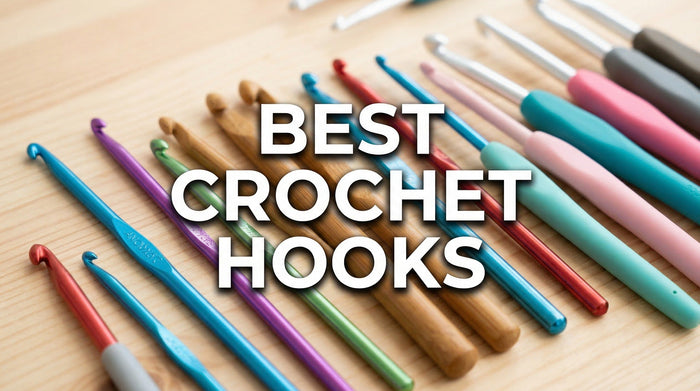
If you've ever had to put down your project because of a nagging cramp in your hand, you're definitely not alone. The very best ergonomic crochet hooks are thoughtfully designed with built-up, cushioned handles from materials like soft-grip silicone or warm, lightweight wood.
What these hooks really do is allow for a much more relaxed grip. This simple change can dramatically reduce strain on your hands, wrists, and fingers, letting you get lost in your craft for hours without discomfort.
Your Journey to Comfortable Crocheting
Often, the fix for crafting discomfort isn't complicated, it's right there in your most essential tool: the crochet hook. This guide is here to help you find the ergonomic hooks that can make your creative time not just more joyful, but more sustainable, too. Think of it as finding the perfect crafting partner, one that supports you through every single stitch.
A well-designed hook truly transforms your practice. It shifts the focus from aching hands back to the simple, healing power of making something beautiful. It lets you get lost in that wonderful rhythm of the stitches, making every crochet session the mindful escape it's meant to be.
What to Expect in This Guide
We're going to dive into what actually makes a hook ‘ergonomic’ and how picking the right one means you can crochet for longer without the pain. Instead of just showing you a list of products, we'll break down the key features that add up to real comfort and control, so you can make a choice that's right for you.
This guide will cover:
Core Ergonomic Principles: Understanding the "why" behind the specific shapes of these hooks.
Handle Materials and Shapes: Exploring how different materials feel in your hand and which shapes work best for different grip styles.
Hook Head Types: Finally clearing up the difference between inline and tapered hooks.
Actionable Selection Tips: Practical advice to help you find a hook that feels like it was made just for you.
Why Comfort Matters in Crafting
Crochet is so much more than just a hobby; for many of us, it’s a way to unwind, connect, and find joy. When your tools are uncomfortable, it puts a barrier between you and all those wonderful benefits. Hand pain can quickly turn a relaxing activity into a frustrating chore, which is the last thing any crafter wants.
By putting comfort first, you’re really investing in the longevity of your passion. An ergonomic hook isn’t a luxury, it’s a foundational tool that lets you fully embrace the creative flow. It ensures that every moment you spend with your yarn and hook is filled with accomplishment, not discomfort.
The goal is to find a tool that makes crocheting a source of pure joy and relaxation. This small change can have a huge, positive impact on your crafting life, allowing you to focus on the healing and creative aspects of your work.
Ultimately, finding the best ergonomic crochet hooks for your hands is a personal journey, but a rewarding one. It’s about honoring your body’s needs so you can keep creating beautiful things, sharing precious craft-time with loved ones, and finding peace in every stitch you make.
What Makes a Crochet Hook Ergonomic
The word ‘ergonomic’ gets thrown around a lot, but what does it really mean for a crochet hook? At its heart, it’s a simple idea: a tool designed to work with your body, not against it. A hook is ergonomic when its shape fits the natural way your hand wants to move, taking the strain off your muscles and joints. It’s all about making your craft comfortable and efficient.
Think about those classic, skinny metal hooks. To use them, you often have to pinch them tightly. The best ergonomic crochet hooks flip that idea on its head with thicker, softer handles. This small change is a game-changer. It lets you hold the tool with a much more relaxed hand, which means way less fatigue in your fingers, wrist, and even up your arm.
The real goal here is to cut down on the repetitive stress that can build up after hours of happy stitching. When your tool is comfortable, you can get lost in the joy of creating instead of focusing on an aching hand.
The Science of Comfort
A truly ergonomic hook is more than just a squishy handle. It’s a thoughtful design that considers several factors that support your hand. If you're curious about the deeper design concepts, it's worth exploring the fundamental principles of ergonomics that engineers use to create comfortable tools for all kinds of tasks.
When it comes to crochet hooks, these principles boil down to a few key areas:
Handle Diameter: A thicker handle means you don't have to clench your fist. Imagine holding a thin twig versus a sturdy branch. The branch fills your palm naturally and takes less effort to hold steady.
Weight and Balance: The hook shouldn't feel clumsy or top-heavy. A well-balanced tool spreads its weight evenly, so your wrist isn’t doing extra work to control every stitch.
Grip Surface: The material on the handle makes a huge difference. A slightly soft or tacky surface, like silicone, gives you a secure grip with less pressure, so the hook doesn't slip around.
These elements work together to keep your hand in a neutral, relaxed position. The tool does the supporting, letting you crochet smoothly and without pain.
Why It Makes a Difference in Your Craft
Making the switch to an ergonomic hook is about more than just avoiding aches and pains; it can actually improve your crocheting. When you’re not fighting discomfort, you can find a better, more consistent rhythm.
This easy flow often translates to more even stitches and better tension control. It’s like trying to write for an hour with a tiny, slippery pencil versus a comfortable, well-designed pen. The difference in your comfort and the final result is massive, and the same is true for your crochet.
Ergonomics isn't about adding fancy features; it's about thoughtful design that respects your body. A good hook lets you get lost in the creative process, focusing on the beautiful yarn instead of an aching hand. Pair your new hook with one of our beginner courses to get started.
Key Principles of an Ergonomic Hook
So, what are the core ideas behind an ergonomic hook? It all comes down to a few concepts that directly lead to a better, more enjoyable crochet session.
There are three main pillars to a great ergonomic design:
- Reduced Muscle Effort: The main goal is to lower the amount of force your hand has to use. The built-up handle is the star here, allowing for a light, easy hold.
- Neutral Posture Support: The handle's shape encourages your wrist and hand to stay in a more natural alignment, preventing the awkward bending that leads to strain.
- Pressure Point Elimination: Thin, hard hooks can dig into your palm or fingers, creating sore spots over time. Soft, contoured handles spread that pressure out evenly, getting rid of those painful pressure points.
Once you understand these principles, you can look at any hook and know what to check for. It empowers you to pick a tool that will not only feel great but will help you create your best work for years to come.
Choosing Your Ideal Handle Material
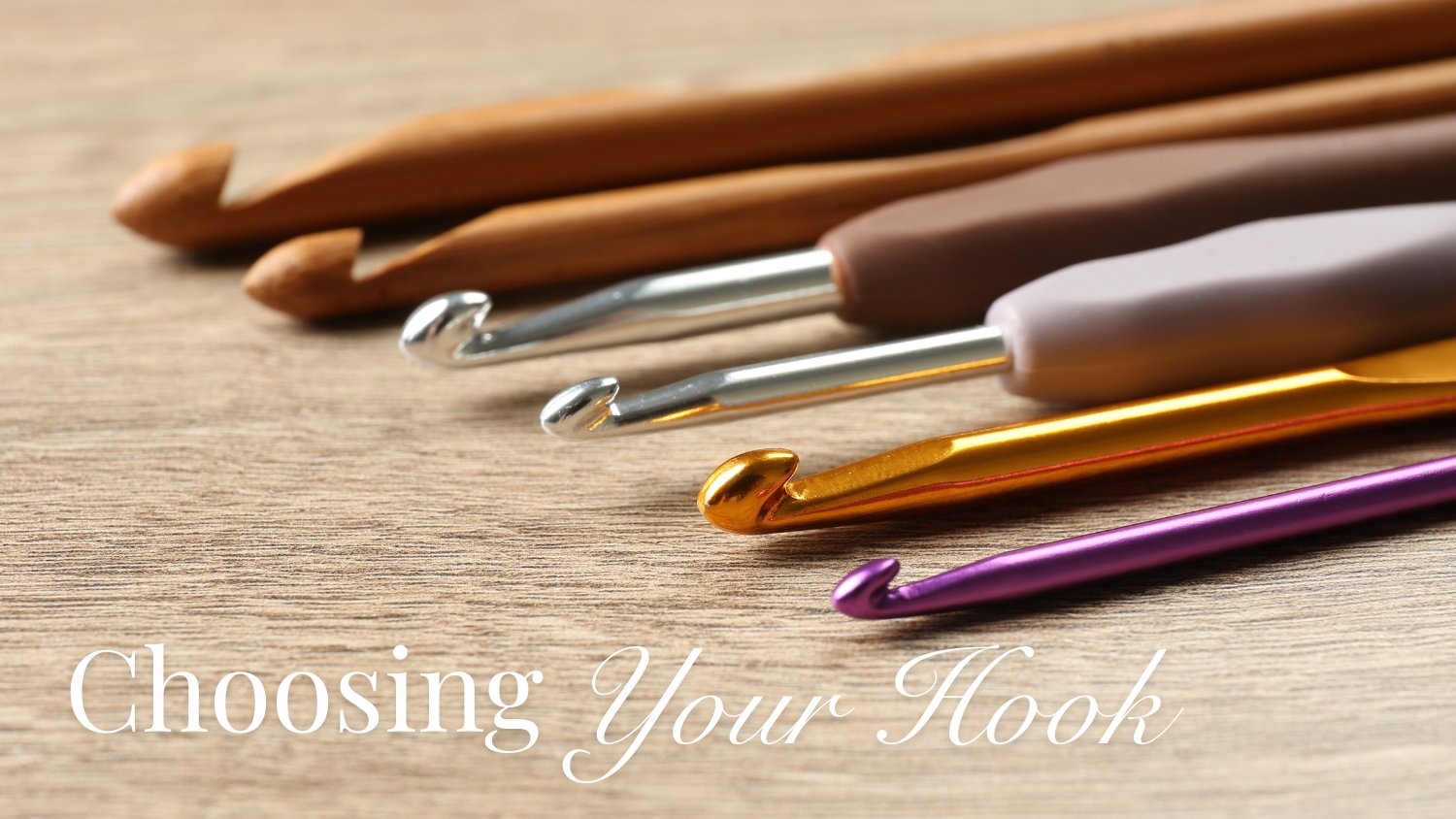
The handle is really the heart and soul of an ergonomic crochet hook. Think of it like finding the perfect pair of shoes: the material makes all the difference in how long you can comfortably keep going. What the handle is made of plays a huge role in your crafting comfort, so let's walk through the most common options to find your perfect match.
Every material is chosen for a reason, whether it’s for its weight, warmth, or how it feels to grip. As we look at each one, think about what would feel best in your hands during a long, relaxing crochet session. Each one brings its own unique character to the table.
This little infographic breaks down the key things to look for in an ergonomic hook, showing why materials, handle shape, and size are so important.
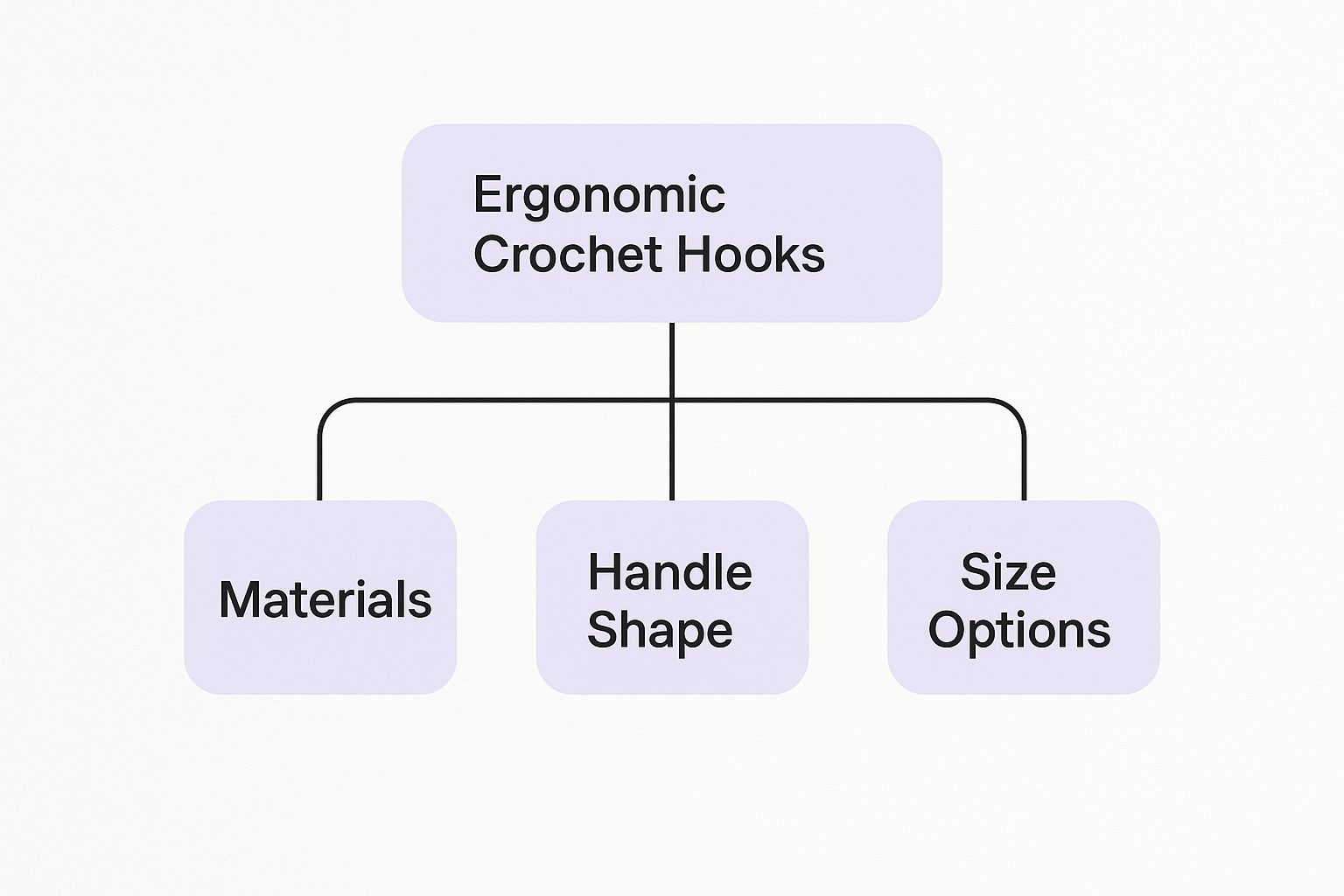
As you can see, the handle material is one of the three foundational pillars that make a hook truly comfortable and easy to use.
Soft Grip Handles
There's a good reason why soft-grip handles are so popular. Usually made from silicone or rubber, they offer a wonderfully cushioned, non-slip surface that’s incredibly kind to your hands. That grippy texture means you don’t have to clench your fist to hold on, which is a game-changer for reducing hand fatigue.
These handles are fantastic because they absorb some of the pressure from your fingers. If you're someone who tends to have a "death grip" on your hook, a soft-grip handle can feel like a sigh of relief, letting your hand muscles finally relax. Lots of crafters find they can crochet for much longer without any aches or pains.
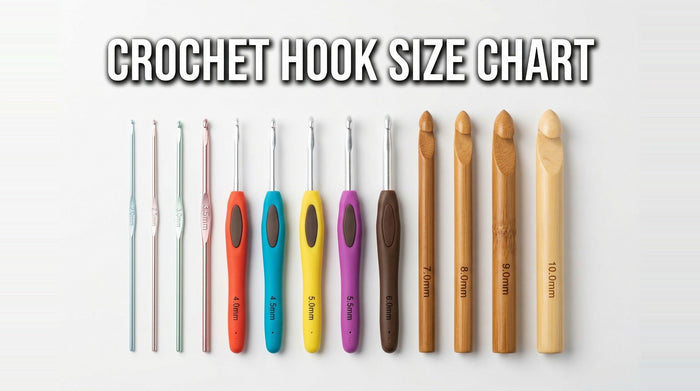
A classic example is the Clover Amour hook set, which comes in sizes from B (2.25mm) to J (6.0mm). They pair lightweight aluminum shafts with elastomer rubber handles shaped for a natural grip. This design helps cut down on fatigue and can even improve your stitch consistency. The standard 5.5-inch length gives great yarn control, though some people find the lighter-colored handles can pick up marks over time.
Wooden and Bamboo Handles
If you love a more natural, organic touch, wooden or bamboo handles are a beautiful choice. They feel warm in your hand, and unlike metal or plastic, they tend to adapt to your body temperature as you work, which is a lovely, comforting feeling.
Wooden hooks are often prized for being exceptionally lightweight. This can be a huge benefit for anyone sensitive to the weight of their tools, as it puts less strain on the wrist during repetitive movements.
Bamboo is an especially popular option because it’s surprisingly strong for how light it is. Polished hardwood handles, on the other hand, offer a bit more substance for those who prefer a weightier tool. Ultimately, the choice between them comes down to your personal preference for weight and texture.
Plastic and Resin Handles
Last but not least, plastic and resin handles are the true artists of the crochet hook world. They're incredibly versatile, which means they come in a dazzling, almost endless variety of shapes, colors, and beautiful designs. If you love expressing your personality through your tools, this is where you can really have some fun.
Because they’re molded, these handles can be crafted into very specific ergonomic shapes, often with little indentations for your thumb and fingers. This creates a custom-fit feel that guides your hand into a comfortable, relaxed position. While they might feel a bit cooler to the touch than wood, their smooth surface and light weight make them a fantastic and visually delightful choice for many crocheters.
Matching Handle Shape to Your Grip Style
Just like we all have our own unique handwriting, every crocheter has a natural way of holding their hook. This small detail makes a massive difference in your comfort, and figuring out your personal style is the secret to finding the best ergonomic crochet hooks, the ones that feel like they were made just for you.
The two most common ways to hold a hook are the ‘pencil grip’ and the ‘knife grip.’ Neither one is right or wrong; it’s all about what feels most relaxed in your own hands.
Once you know your grip, you can pick a handle that gives you the right kind of support, turning your hook into a true creative partner.
Discovering Your Natural Grip
Not sure which camp you fall into? It’s easy to find out. Grab a hook and some yarn and just start making a few chain stitches. Don't overthink it. Hold the hook in whatever way feels most automatic.
Now, take a look at your hand. How are you holding it?
- Pencil Grip: Does it look like you're holding a pen? If the hook rests on your middle finger while your thumb and index finger guide it, you're a pencil gripper. This style relies on delicate finger and wrist movements.
- Knife Grip: Is your hand wrapped over the top of the hook, kind of like how you'd hold a knife to butter some toast? If the end of the hook is tucked into your palm, you're a knife gripper. This hold tends to engage more of your forearm and shoulder muscles.
Figuring out your natural tendency is the most important first step. You've got this!
Finding the Right Handle for the Pencil Grip
If you use the pencil grip, control and precision are your game. You're making lots of fine, detailed movements with your fingertips, so the handle shape can either help your flow or get in the way.
A handle that's more rounded and contoured often works beautifully for this style. Look for hooks with a gentle curve that swells in the middle, giving your fingers a comfortable spot to rest. This shape fills the hand just enough to keep you from pinching the hook too tightly, a common cause of nasty finger cramps.
The ideal handle for a pencil grip provides support without being bulky. It should allow for nimble, precise movements while encouraging a lighter, more relaxed hold.
Many pencil grippers also love shorter handles or hooks with a clear thumb rest, as it gives them a solid point of contact and control.
The Best Shapes for the Knife Grip
If you’re a knife gripper, you’ll probably want a handle with a broader, more stable surface. Since the hook rests against your palm, a handle that is flatter or has a wider, almost paddle-like shape can feel incredibly secure and comfortable.
This design spreads the pressure evenly across your hand, so you don't get a single point digging in and causing soreness during a long crochet session. It gives your whole hand a solid platform to rest on, which can feel wonderfully relaxing.
Here's what to look for:
Flatter sides: Hooks with handles that are more oval or rectangular than perfectly round can offer a great resting spot for your palm.
A thumb indentation: Many ergonomic designs have a sculpted groove just for your thumb. This simple feature acts as an anchor, giving you fantastic stability and leverage with every stitch.
Finding a handle that clicks with your grip is a real "aha!" moment. It’s when your tool stops feeling like something you have to wrestle with and becomes a seamless extension of your hands, letting you sink into the simple, healing rhythm of your craft.
Understanding Inline vs Tapered Hook Heads
Once you’ve found a handle that feels like a dream, there’s one last piece to the puzzle of finding the best ergonomic crochet hooks: the head. The very tip of the hook, where all the action happens, comes in two main styles: inline and tapered. It's a small detail, but it can make a surprising difference in your rhythm and the final look of your stitches.
Think of the hook head like the nib of a fountain pen. Different shapes give you a different feel and create different results. Neither one is "better" than the other. It all boils down to what clicks with your personal crochet style and tension. Let's break down what makes each unique so you can figure out which one will support your creative flow.
The Inline Hook Explained
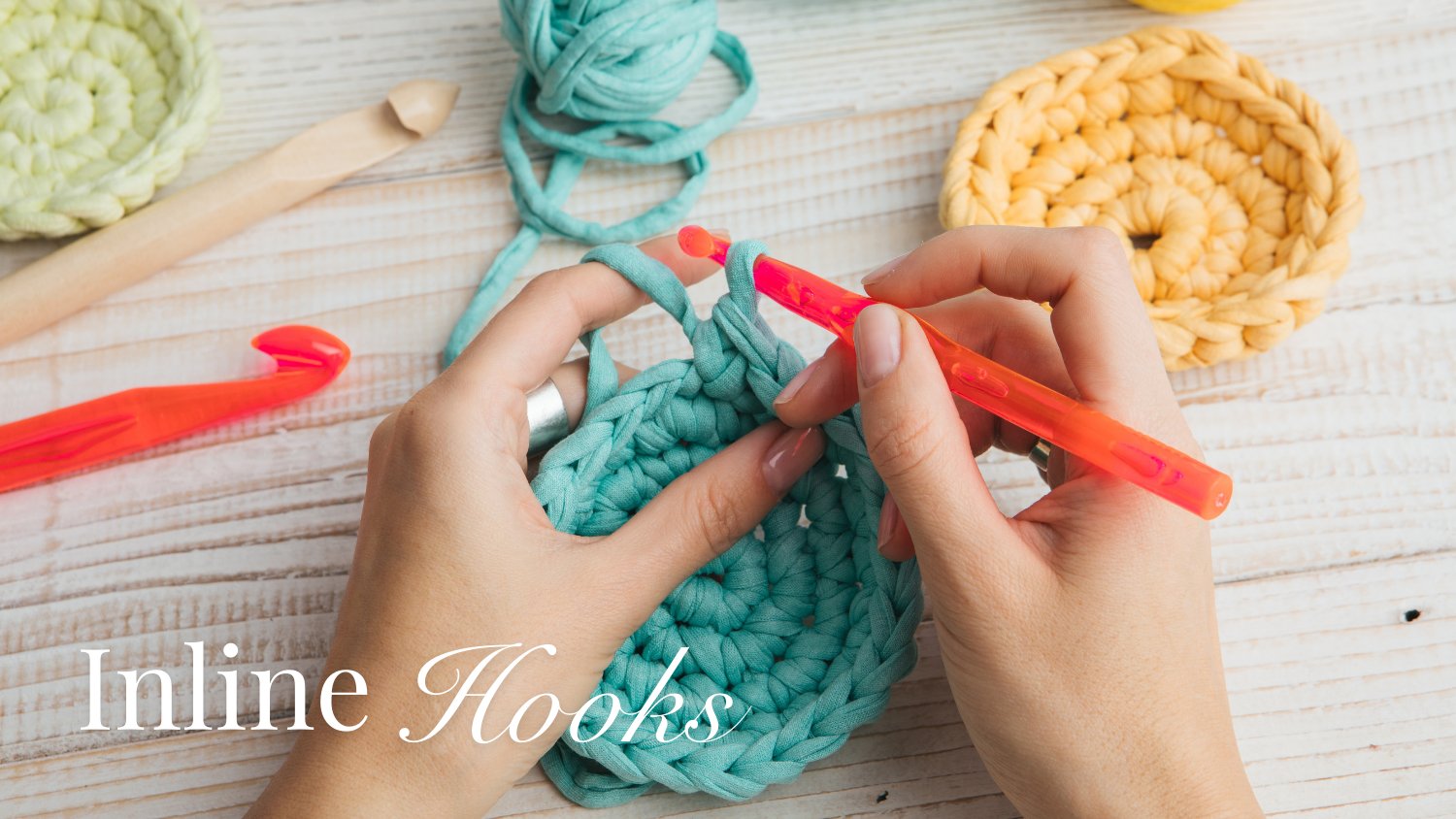
An inline hook is super easy to spot. Its head is perfectly aligned with the shaft, meaning it doesn't stick out past the main body of the hook. Picture a perfectly straight cylinder with a little notch carved out of it. That's pretty much an inline hook. The throat, which is that scooped-out part, is usually deeper and sharper.
This design gives your yarn a super secure place to sit. It’s a huge help if you're aiming for very uniform, consistent stitches because the loop of yarn is held firmly and is less likely to slip or change size as you work.
Many crafters find that inline hooks give them a fantastic sense of control. This is especially true for projects that need to be really neat, like amigurumi. If you feel like your tension can get a bit wobbly sometimes, the stability of an inline hook might be exactly what you need to get that beautiful, even fabric you're after.
The Tapered Hook Explained
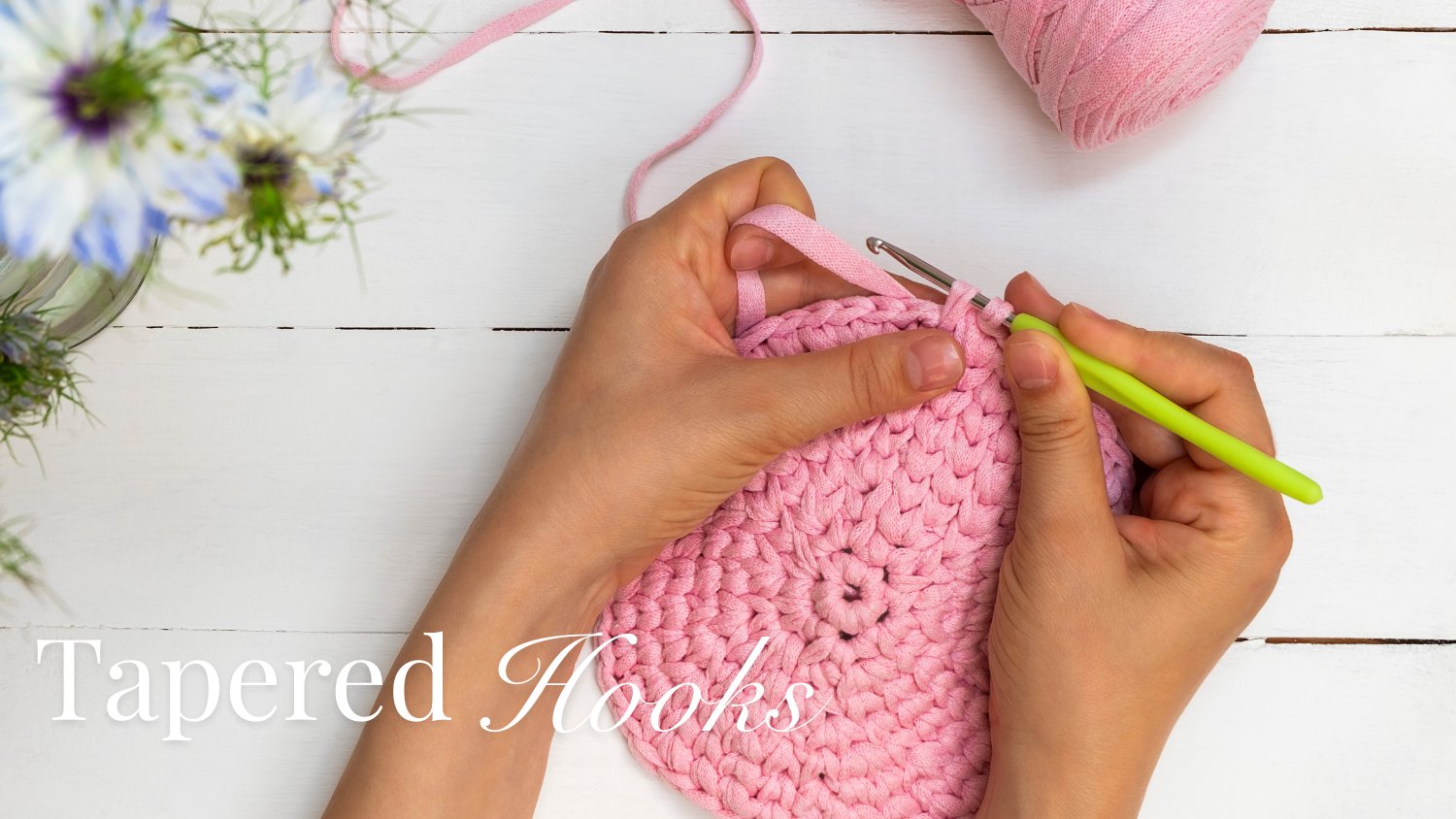
On the other hand, a tapered hook has a more rounded, smoother head that’s often a little wider than the shaft. The throat is typically shallower and less defined, which lets the yarn glide on and off with amazing ease. This fluid motion is why so many crocheters feel they can work much faster with a tapered hook.
If speed and a relaxed, flowing rhythm are your top priorities, a tapered hook could be your perfect match. Its design is brilliant for gliding through stitches without snagging, making it a go-to choice for bigger projects like blankets and sweaters where you just want to get into a comfortable, meditative groove.
Here’s a quick way to think about the difference:
Inline Hooks: Often described as more "grippy." They hold the yarn securely, giving you precise control over each stitch.
Tapered Hooks: Often described as "gliding." They let the yarn move smoothly for a faster, more fluid motion.
Choosing between inline and tapered is purely a matter of personal preference. The best way to know what you like is to try both! What feels awkward to one person might be the perfect fit for another.
Ultimately, the best hook is the one that makes crocheting feel joyful and effortless. Pay attention to how your hands move and how the yarn behaves with each style. Getting this final piece of the ergonomic puzzle right will help you build a toolkit that feels custom-made for you, supporting your craft and your comfort for years to come.
Your Guide to Finding the Perfect Hook
Now that you know what goes into a great hook, from the handle material to its shape and head style, it’s time for the fun part: finding your perfect match. The search for the best ergonomic crochet hooks is a really personal journey. What works wonders for one crafter might not feel right for another. It’s all about listening to your hands.
This process doesn’t have to be overwhelming. A smart way to start is by picking up a single hook in a size you use all the time, like a 2.0 mm or 2.5 mm, if you are making a Crochetree doll, instead of committing to a whole set. This lets you test the waters without a big investment.
Putting Your New Hook to the Test
Once you have your new hook, the best way to get to know it is to start a small, fun project. As you crochet, pay close attention to how your hand feels after about 30 minutes.
Ask yourself a few questions:
- Is there any tension? Notice if you feel any strain in your fingers, wrist, or even up into your forearm. A great ergonomic hook should feel like a natural extension of your hand.
- How does the yarn glide? Does it flow smoothly over the hook, or does it catch and split the yarn? The right hook head will make your stitches feel almost effortless.
- Do you like the feel? Think about the weight and the texture of the handle. Does it feel warm and inviting, or cool and sleek?
Answering these simple questions will tell you everything you need to know. They are your most reliable guide to figuring out if this hook is your new crafting companion. For a deeper look at the basics, you might find our beginner’s guide to buying crochet hooks helpful.
Remember, the goal is to find a tool that makes your craft a source of pure joy and relaxation. Your comfort is the most important part of this equation.
This small, thoughtful change in your toolkit can have a huge, positive impact on your crafting life. It lets you forget about physical discomfort and focus completely on the creative, healing rhythm of your work. Every single stitch should feel good, and the right hook makes that possible.
Ergonomics is only one piece of the puzzle. For a comparison of every hook type, material, and size, browse our best crochet hooks buying guide.
Common Questions About Ergonomic Hooks
As you start exploring the world of comfortable crafting, it's natural for a few questions to pop up. Swapping out your trusty old hooks can feel like a big leap, so it’s completely normal to want a bit more info. Let’s walk through some of the most common questions crafters have when they’re thinking about the best ergonomic crochet hooks.
Think of this as a quick chat to clear up any lingering doubts. We want you to feel confident and excited about finding a tool that will support your creativity, and your hands, for years to come.
Are Ergonomic Crochet Hooks Really Worth It?
Absolutely. While they might cost a little more than standard aluminum hooks, the investment pays off big time in pure comfort. These hooks are designed from the ground up to reduce strain on the muscles and joints in your hands and wrists, letting you crochet for much longer without pain.
This is more than just a nice-to-have; it’s an investment in your crafting future. By preventing repetitive strain, you’re making sure you can keep finding joy in your hobby for years. A comfortable hook simply makes the entire process more enjoyable.
Can Ergonomic Hooks Help with Hand Pain?
Many crocheters living with hand pain find that ergonomic hooks are a total game-changer. The larger, cushioned handles mean you can hold the hook with a much looser grip, which puts way less stress on your joints. This simple switch can make all the difference.
It's important to remember that these are comfort tools, not medical devices. While they can greatly reduce discomfort and make crocheting possible again for many, they aren't a cure.
If you have a medical condition, it's always a good idea to chat with your doctor for personalized advice.
Why Does My New Ergonomic Hook Feel Awkward?
If your new hook feels a bit strange at first, don’t panic, a short adjustment period is totally normal. Think of it like breaking in a new pair of shoes. If you've spent years using thin, traditional hooks, your hands have built up muscle memory for that specific, tighter grip.
Switching to a larger, differently shaped handle is bound to feel unfamiliar. Just give yourself a little time and grace to adapt. Usually, working on one small project is all it takes for your hand to learn to relax into the new, comfier hold. If it still feels off after a genuine try, that particular shape might not be the one for you, and you can always try another style.