Learning how to keep consistent tension in crochet feels like unlocking a gentle superpower. It's the one skill that elevates your work, giving every stitch a neat, professional finish. This steady control over your yarn is what makes your projects beautiful and true to size, turning your creative vision into a tangible piece of joy.
Why Consistent Tension Is Your Crochet Superpower
If you've ever finished a project that looked a bit wobbly, uneven, or just wasn't the size you hoped for, you’ve met the tension monster. Think of tension as the heartbeat of your crochet: it’s the calm rhythm that gives life and form to your final piece. The goal isn't to crochet super tightly or loosely; it’s about crocheting consistently.
Once you get the hang of it, you'll unlock a new level of confidence and pure joy in your craft. There’s nothing quite like seeing your creations come out with that polished, handmade-with-love look. It's incredibly rewarding.
The Magic of Even Stitches
Consistent tension is what makes a project a handmade treasure. It ensures all your stitches are the same size, which has a huge impact on your entire piece.
Predictable Sizing: Your blankets will lay flat, your beanies will fit just right, and the panels for that sweater you’re making will line up beautifully.
Neat Appearance: Amigurumi figures become smoother and more defined, without those little gaps where stuffing can peek through.
Mindful Crafting: The very act of keeping a steady rhythm helps you slip into a state of flow, turning crochet into a deeply calming and meditative practice.
Tension isn’t just a technical skill; it’s a connection to your yarn. It’s the gentle conversation between your hands and the fiber, creating a fabric that tells a story of patience and care.
Building Your Muscle Memory
Here’s the wonderful thing about great tension: it’s less about conscious thought and more about muscle memory. It’s about your hands learning the subtle movements needed to create each stitch with the same gentle pull on the yarn. This doesn't happen overnight, but with a little practice, your hands will start to work together in a beautiful, synchronized dance.
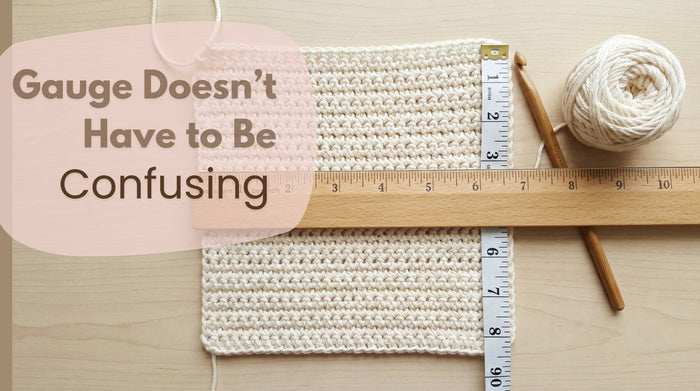
This is especially important when making garments, where getting the gauge right is key for a good fit. The force you apply to the yarn directly impacts the size and density of your fabric. In fact, finding a steady rhythm can reduce the need for project alterations by up to 30%, saving you from frustrating fit issues.
Think of this guide as your supportive companion on this journey. We’ll walk through simple, actionable techniques to help you find your unique rhythm and turn tension from a challenge into a source of pride.
Mastering Your Yarn Hold and Hook Grip
The foundation for beautifully even stitches starts right in your hands. How you hold your yarn and hook is the very first step toward achieving consistent tension. Think of your hands as a team: one guides the hook while the other feeds the yarn, creating a smooth, rhythmic motion that should feel natural and relaxing.
There's no single "correct" way to do this; the goal is to find what works for you. Let's walk through the most common methods so you can discover a grip that gives you confident control without causing strain.
Finding Your Perfect Hook Grip
How you hold your hook can make a huge difference in your comfort and control. Most crocheters naturally settle into one of two styles. Give them both a try and see which one feels like it was made for your hands.
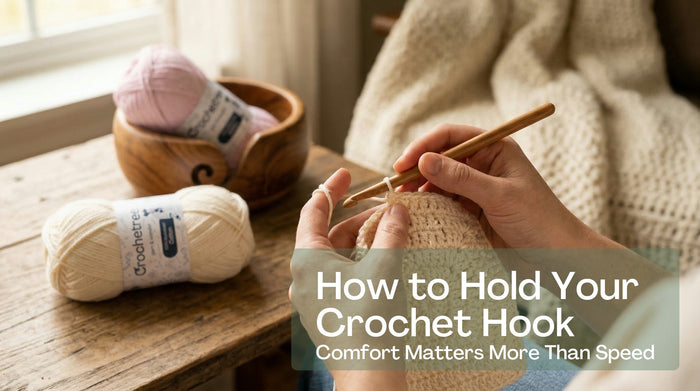
The Pencil Grip: Just like it sounds, you hold the hook the same way you’d hold a pencil. This grip often allows for very precise, delicate movements, which is fantastic for detailed work.
The Knife Grip: With this hold, you grip the hook more like you’re holding a small knife. Many crafters find this offers more power and helps reduce wrist strain during long crochet sessions.
Remember, the best grip is the one that lets you crochet for hours with joy, not pain. Don't hesitate to switch it up if you start to feel any cramping.
Taming the Yarn Flow
Your non-dominant hand has a crucial job: it's your tension regulator. By weaving the yarn through your fingers, you create a gentle, consistent drag that feeds the yarn to your hook at a steady pace. One of the most popular methods is to wrap the yarn around your pinky, run it under your ring and middle fingers, and then drape it over your index finger.
This setup allows your index finger to guide the yarn while your other fingers can subtly tighten or loosen their hold to adjust the flow. Moving from wobbly, uneven stitches to perfect, even fabric is all about practice and patience.
A classic beginner mistake is the dreaded "death grip", holding your hook and yarn so tightly that your knuckles turn white. This not only creates painfully tight stitches but also leads to serious hand fatigue. Always aim for a relaxed, gentle hold.
Experimenting is absolutely key to finding your groove. If you want to take a deeper dive into different techniques, you can explore our detailed guide on how to hold your crochet hook and yarn, which offers more visuals and tips. Finding your perfect hold is a personal discovery that makes the entire process more enjoyable and your final projects that much more beautiful.
The Role of Your Tools: Yarn and Hooks Matter
Have you ever noticed how your crochet tools can feel like a partner in your craft? The relationship between your materials and your stitches is a powerful one. Finding the right yarn and hook can make achieving that smooth, even fabric feel effortless, while a mismatched pair can turn it into a constant struggle.
Think of yarn fibers as having their own personalities. A slick yarn will glide off your hook much differently than a grippy wool. This simple interaction is a huge part of how to keep consistent tension in crochet, because your hands will naturally react to how the yarn behaves.
Choosing Yarn to Support Your Stitches
Picking the right fiber is a wonderful step toward getting predictable, beautiful results. Every material interacts with your hook and hands differently, so let's look at some common options to help you choose with confidence.
Here's a quick guide to popular yarn types:
- Mercerized cotton (fingering): Smooth, durable, with crisp stitch definition; holds shape, ideal for amigurumi/detail work.
- Cotton blends (DK/worsted): Breathable, easy care, good for summer garments, dishcloths, homeware.
- Acrylic (mostly worsted): Budget-friendly, machine-washable, common for blankets and everyday projects (note potential pilling/static).
- Wool/wool blends: Warm, elastic, great stitch recovery, hats, sweaters; check care/sensitivity.
- Chenille/faux-fur: Plush texture for blankets/pillows; not recommended for beginner amigurumi (low stitch visibility).
If you want to dive deeper into fiber characteristics, our guide on choosing the perfect yarn for your crochet project can help you feel more confident in your choices.
How Your Hook Affects Your Flow
Just as important as your yarn is the tool you use to shape it. Crochet hooks come in various materials, and each one offers a different feel and level of "grip" on the yarn.
A slick aluminum hook, for example, might cause your stitches to loosen as the yarn slides off effortlessly. In contrast, a wooden or bamboo hook often has more friction, which can be a game-changer for a naturally loose crocheter, helping to tighten things up. There’s no single "best" material. It's all about finding the combination that complements your personal tension style.
The perfect tools don't create your tension for you, but they make it much easier to find and maintain your natural, comfortable rhythm. Experimenting with different hooks and yarns is part of the beautiful journey of discovering your unique crochet flow.
Practice Drills for Perfecting Your Tension
Ready to build that crucial muscle memory? Getting your tension just right is less about thinking and more about feeling. It's about training your hands to perform a smooth, synchronized dance until it becomes second nature. Think of these exercises as your crochet workout, designed to help you find your unique rhythm.
These drills aren't meant to become finished projects. Their real purpose is to be a meditative practice, helping you connect with your craft on a deeper level. Let go of the outcome and just focus on the process.
The Mighty Tension Swatch
One of the best ways to practice is by making small squares, or swatches. Grab some scrap yarn, pick a comfortable hook, and just start crocheting. The goal here isn't perfection; it's observation.
Single Crochet Square: Chain about 21 stitches and then work rows of single crochet until you have a small square. As you go, try to make each stitch the same height and width as the one before it.
Double Crochet Square: Do the same thing, but with double crochet stitches. Taller stitches can really highlight inconsistencies, which makes them a fantastic learning tool.
Mixed Stitch Square: Try alternating rows of single, half double, and double crochet. This will show you how your tension changes when you switch between different stitch heights.
While you're working, pay close attention to how your hands feel. Is your grip a little too tight? Is the yarn flowing smoothly? This focused repetition is the secret to building consistency.
The Endless Chain Drill
This exercise is as simple as it gets. Just make a long, continuous crochet chain. The real challenge? Making every single loop identical in size.
This drill strips away the complexity of forming different stitches and lets you concentrate on the two most basic movements: yarning over and pulling through a loop. Try to make a chain that’s at least a few feet long. When you're done, lay it out flat and take a good look. You'll be able to see exactly where your tension wobbled.
Tension is a journey, not a destination. Some days your stitches will be flawless, and other days they might be a little off. Be patient and gentle with yourself. Every stitch is a step forward.
Learning to Read Your Stitches
After you’ve worked through a few drills, take a moment to become a “stitch detective.” Lay your swatch flat and really look at it.
- Are some rows tighter or looser than others? This is a classic sign of stopping and starting. It often happens if you put your project down while stressed and pick it up again when you're feeling more relaxed.
- Do the edges curl inwards? This usually points to a foundation chain that was made too tightly.
- Are some stitches taller or shorter than their neighbors? This shows inconsistency in how high you're pulling up your loops before finishing the stitch.
Just recognizing these patterns is a huge step forward. If you're spotting the same issues repeatedly, you might find some great solutions in our guide on fixing uneven stitches in your crochet work.
Remember, consistent practice, even just for ten minutes a day, will train your hands to work in harmony. Before you know it, even tension will feel like second nature.
Mindfulness and Rhythm: The Heart of Consistency
Here’s a little secret that experienced crocheters know: consistent tension is more of a mental game than a physical one. The real magic behind those perfectly even stitches isn't just in how you hold your hook; it's about finding your flow, a calm and steady rhythm that connects you to your craft.
Your mood has a surprisingly direct impact on your work. Ever notice how your stitches get super tight when you're stressed or rushing? That's your hands physically tensing up. On the flip side, if you're tired, your grip might loosen, creating bigger stitches. This is completely normal, and just noticing it is the first step to getting into a better groove.
Creating Your Peaceful Crafting Space
To find that steady rhythm, it helps to create an environment that feels calm and relaxing. You don't need a dedicated craft room, just a few small tweaks can make all the difference.
Find your comfy corner: Settle into a chair that supports you, with good lighting so you’re not straining your eyes.
Tune out the noise: Try putting your phone on silent or playing some soft, instrumental music. Whatever helps you unplug from the day.
Just breathe: Before you pick up your hook, take two or three slow, deep breaths. This simple action helps release tension from your shoulders and hands, setting a peaceful tone for your session.
By creating this little bubble of calm, you’re giving yourself permission to sink into the gentle, repetitive motions of crochet. That presence is what mindfulness is all about, and it's the foundation for beautiful, even tension.
The most beautiful crochet isn't just made with yarn and a hook; it’s woven with moments of peace, patience, and presence. Each stitch becomes a quiet celebration of your time and attention.
Finding Your Unique Crochet Rhythm
Think of your crocheting as a kind of dance between your hands, hook, and yarn. Everyone moves differently. The goal isn’t to crochet like someone else, but to find your own natural tempo and lean into it. When you do, the repetitive motion becomes a form of active meditation, and you’ll see your work truly transform.
The connection between crochet and well-being is incredibly powerful. An international study in 2021 found that 89.5% of crocheters felt calmer, and 82% felt happier while practicing their craft. These amazing benefits are directly linked to the meditative rhythm and focus that crochet requires. By learning to be present with each loop and pull, you’re not just improving a skill, you’re unlocking the deep joy and peace this craft has to offer. That’s how you find your consistent, happy crafting flow.
Common Questions About Crochet Tension
As you find your rhythm with consistent tension, a few questions are bound to pop up. Don't worry, you're not alone! Every crocheter has asked these same things at some point, so let's tackle a few of the most common ones.
Why Does My Tension Change Mid-Project?
Ever had a project that starts out perfectly, but by the end of the day, your stitches look completely different? This is almost always a reflection of your mood and energy levels.
If you’re stressed, tired, or distracted, you’ll probably find yourself gripping your tools tighter. But when you're relaxed, your hands naturally loosen up, and the stitches flow more easily. It’s a wonderful reminder of how our craft is connected to our state of mind! If you notice a big shift, just put your project down, take a deep breath, and stretch your hands before you start again.
Is It Better to Be a Tight or Loose Crocheter?
This is the big one, and the honest answer is: neither is better. The only thing that truly matters is being a consistent crocheter. Whether your stitches are tight or loose, you can create beautiful fabric as long as it's uniform.
That said, knowing your natural tendency can be a superpower when choosing projects.
Tight Crocheters: Your work will be dense and firm, which is a massive advantage for things like amigurumi. A tight fabric means no stuffing will peek through, giving you a smooth, professional finish.
Loose Crocheters: Your creations will have beautiful drape and a soft, flexible feel. This is perfect for flowing garments like shawls, scarves, and cozy blankets.
The goal isn't to fight your natural style, it's to embrace it. Trying to force your hands to work in a way that feels unnatural will only lead to frustration. Lean into your unique crochet signature!
How Do I Adjust My Tension for Different Yarns?
Switching between yarn types is a skill that comes with practice, and the secret weapon is a simple swatch. A slick, mercerized cotton will feel totally different from a rustic, grippy wool. The cotton will glide off your hook, while the wool might feel like it’s sticking a bit.
Before you dive into a new project, always make a small test square. This gives you a feel for how the yarn behaves and lets you make tiny adjustments to your grip. You might need to hold a slippery yarn a little more securely or relax your hands for a “stickier” one. That little swatch is your best friend for making sure your final project turns out exactly how you envisioned it.