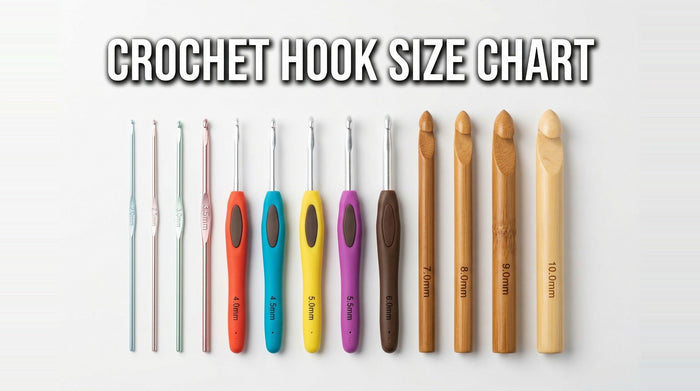
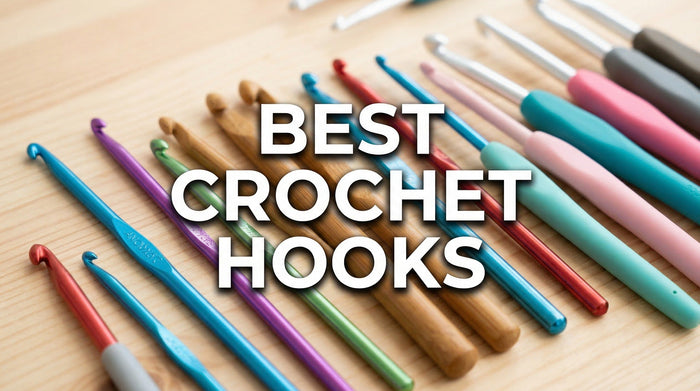
Welcome to the wonderful world of crochet! Think of this crochet hook size guide as your most trusted companion, right next to the hook itself. It’s your secret to matching the right hook to your yarn, ensuring every stitch you create brings you joy and results in a project you’re proud of. The size of your hook, measured in millimeters (mm), is what shapes your stitches and gives your finished fabric its unique feel.
Why Hook Size Matters So Much
Choosing the right crochet hook is the first, most joyful step toward creating something you’ll truly love. The hook and yarn are partners in your creative journey. When they work together in harmony, the result is a beautiful, cohesive fabric that feels wonderful to make.
If you grab a hook that’s too small for your yarn, you’ll find yourself with stitches that are much too tight. This can make the fabric stiff and can be a real struggle to work with. On the other hand, a hook that's too big will give you loose, floppy stitches with large gaps. Getting it just right is simple once you know what to look for!
This understanding is the key to achieving the perfect drape (how the fabric hangs) and tension (how tight or loose your stitches are). It's what transforms crocheting from just following a pattern into a mindful, creative process. When your tools are in harmony, you can relax into the rhythm of your stitches and just enjoy the moment.
This guide is designed to be your quick-reference companion. We’ll demystify the different sizing systems and help you confidently pick the perfect hook for any project. Let’s spend less time guessing and more time creating!
How Hook Size Transforms Your Crochet
Have you ever wondered how swapping out your crochet hook can completely change your project? It’s a great question, and the answer is simple: your hook, yarn, and personal tension all work together as a team. When they're in sync, you get that beautiful, even fabric we all strive for. But if one of them is off, the final result can be dramatically different.
Think of it this way: using a hook that’s too small for your yarn creates tiny, cramped stitches, which results in a stiff and dense fabric. On the flip side, a hook that’s too large will give you loose, airy stitches with noticeable gaps. Nailing this delicate balance is at the heart of mastering your craft and bringing the texture you imagine to life.
Understanding Gauge and Fit
This relationship between your hook, yarn, and tension has a name every crocheter should know: gauge. Gauge is simply the number of stitches and rows you can fit into a specific area, usually a 4x4 inch (10x10 cm) square. For anything that needs to fit, like a hat or a sweater, matching the pattern’s recommended gauge isn't just a suggestion; it's essential for success.
This infographic is a great visual for how changing your hook size directly impacts your stitch count.
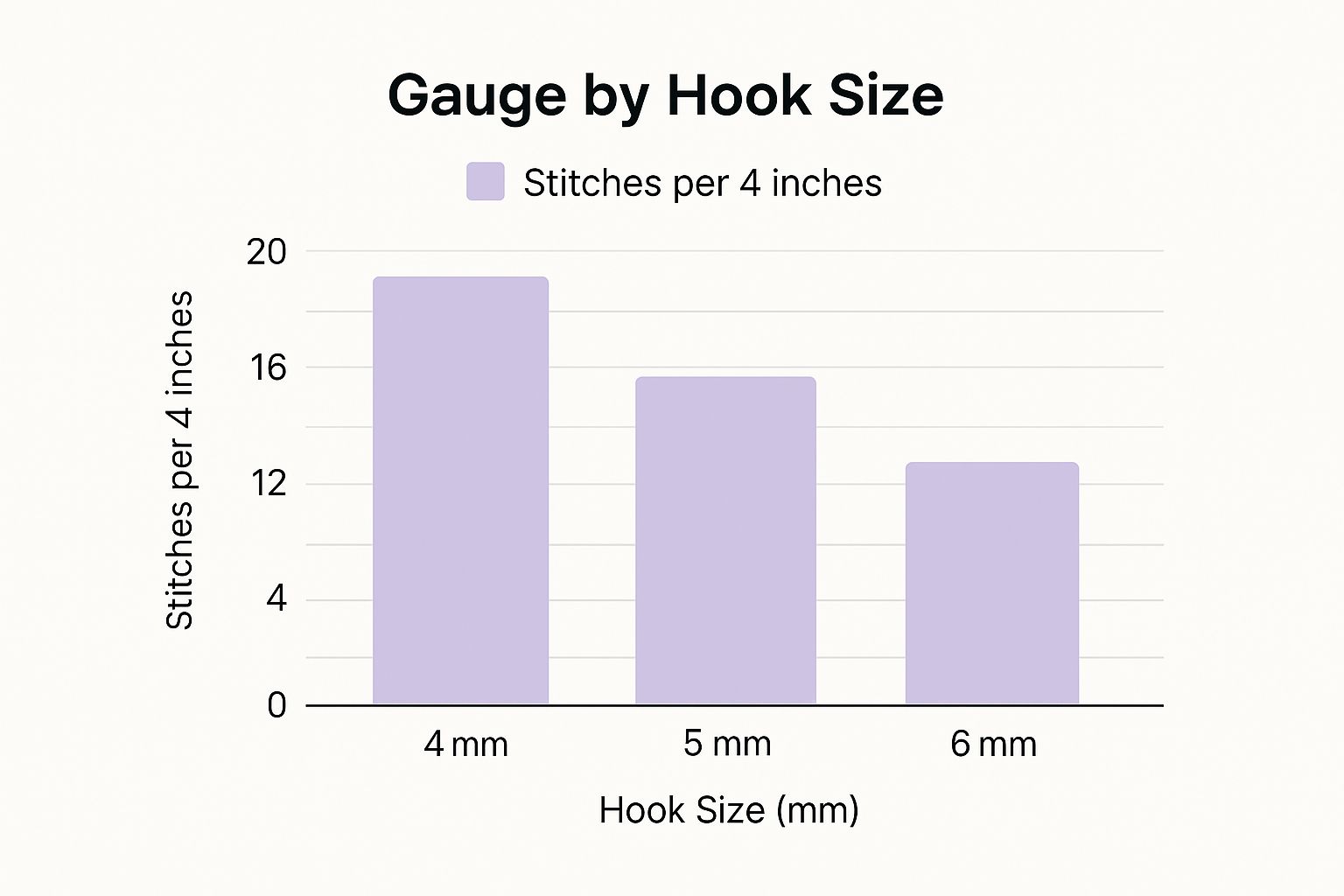
As you can see, a bigger hook makes fewer stitches in the same amount of space, resulting in a looser and larger piece of fabric.
Making intentional choices about your tools is a key part of our complete crochet hook size guide. It empowers you to create with confidence, knowing you can achieve the perfect drape, fit, and feel every single time.
The Complete Hook Size Conversion Chart
Working with patterns from different designers and countries is a wonderful way to expand your skills, but it can be confusing when you run into different hook sizing systems. A US pattern might call for a G-6 hook, while a UK pattern asks for a size 8. It's the same hook, just a different name!
This happens because, for a long time, there wasn't one single standard for hook sizes. To cut through the confusion, most modern patterns and yarn labels now include the size in millimeters (mm). Think of millimeters as the universal language of crochet hooks. It’s the one measurement you can always trust.
Your Go-To Conversion Tool
To help you translate between these systems with confidence, we've created a handy conversion chart. This tool is a key part of any complete crochet hook size guide, and you can bookmark this page to quickly find the right equivalent and get back to your project without missing a beat.
Remember, this chart focuses on the hook size itself. The ideal hook for your project also depends on the yarn you're using. For a deeper dive, check out our detailed crochet yarn weight chart to see how different yarns and hooks pair together beautifully.
Crafter's Tip: When in doubt, always trust the millimeter (mm) measurement. It is the most precise and consistent sizing standard used by manufacturers worldwide, ensuring you have the exact tool you need for the job.
Crochet Hook Size Conversion Chart (US, UK, Metric)
Here is a quick-reference table that lines up metric, US, and UK/Canadian hook sizes. Keep it handy, and you'll never have to guess which hook to grab.
|
Metric (mm) |
US Size |
UK/Canadian Size |
|---|---|---|
|
2.25 mm |
B-1 |
13 |
|
2.75 mm |
C-2 |
11 |
|
3.25 mm |
D-3 |
10 |
|
3.5 mm |
E-4 |
9 |
|
3.75 mm |
F-5 |
- |
|
4.0 mm |
G-6 |
8 |
|
5.0 mm |
H-8 |
6 |
|
5.5 mm |
I-9 |
5 |
|
6.0 mm |
J-10 |
4 |
|
6.5 mm |
K-10.5 |
3 |
|
8.0 mm |
L-11 |
0 |
|
9.0 mm |
M/N-13 |
00 |
|
10.0 mm |
N/P-15 |
000 |
With this chart, you can confidently tackle patterns from anywhere in the world, knowing you have the right tool for every stitch. Happy hooking!
Choosing the Right Hook for Your Project
While conversion charts are helpful, picking the right crochet hook is also an art. The tool you choose can completely change how the yarn feels in your hands and how your final piece looks, making every stitch a pleasure. When you're thoughtful about your tools, the whole process is more enjoyable, and you'll love the final result even more.
Matching Hook to Yarn and Project Type
Choosing the right yarn fiber is just as important as the hook. Different materials create different results, so consider what you want from your finished project.
1. Mercerized cotton (fingering weight): Smooth, durable, and gives crisp stitch definition; holds shape, ideal for amigurumi/detail work.
2. Cotton blends (DK/worsted weight): Breathable and easy to care for, good for summer garments, dishcloths, and homeware.
3. Acrylic (mostly worsted weight): Budget-friendly and machine-washable, common for blankets and everyday projects (note potential pilling/static).
4. Wool/wool blends: Warm, elastic, and has great stitch recovery, perfect for hats and sweaters, but always check care instructions and consider skin sensitivity.
5. Chenille/faux-fur: Creates a plush, cozy texture for blankets and pillows, but it’s not recommended for beginner amigurumi due to low stitch visibility.
For amigurumi, you're aiming for a firm, dense fabric that holds its shape and keeps stuffing from peeking through. That’s why we recommend using a slightly smaller hook than the yarn label suggests, paired with a smooth 100% mercerized cotton in a fingering weight. This combination creates crisp, clean stitches perfect for durable toys that will be loved for years.
On the other hand, a project like a drapey shawl needs a different touch. To get that light, airy fabric with beautiful flow, you’ll want to go up a hook size or two from the yarn's recommendation. This simple change makes the stitches larger and gives the fabric a much softer, more flexible feel.
Finding Your Perfect Hook Material
Your comfort is key, especially during those long, relaxing crochet sessions. The material your hook is made from plays a huge role in this, affecting everything from your speed to how tired your hands get.
1. Aluminum Hooks: These are a classic for a reason. They’re smooth and slick, letting yarn glide effortlessly, which is great for crocheting quickly.
2. Bamboo or Wooden Hooks: If you’re working with slippery yarns, these are fantastic. They offer a bit more grip, which can be a huge help for beginners. Plus, the natural warmth of the wood just feels nice.
3. Ergonomic Hooks: These are a lifesaver for anyone who crochets for hours or deals with hand strain. The soft, cushioned handles are designed to reduce stress on your wrist and fingers, letting you craft in comfort for longer.
If you're curious to learn more, our beginner's guide to buying crochet hooks dives even deeper into the options. Finding the hook that feels like an extension of your own hand is a wonderful part of the crochet journey.
Mastering Gauge for a Perfect Fit
Gauge is one of those crochet terms that might sound a little technical, but it’s really your best friend for making projects that actually fit. Think of it as your project’s unique recipe, a simple measurement of how many stitches and rows you make in a certain area.
When a pattern gives you a gauge, it's handing you the secret to matching the designer’s vision. If your gauge is off, that beautiful sweater you poured hours into might end up fitting a doll… or a giant. No matter how perfectly you follow the instructions, without matching gauge, the size will be a surprise.
How to Make and Measure Your Gauge Swatch
Making a gauge swatch is a small, mindful step that saves you from big headaches later. It’s the only way to know for sure if your hook, yarn, and personal tension are all working together to create the right size fabric for your project.
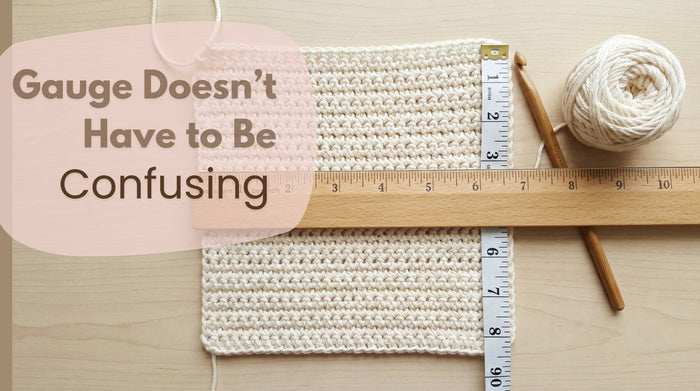
1. Crochet a Sample: Grab the yarn and hook you plan to use and crochet a square that's a bit bigger than the pattern's gauge, which is usually a 4x4 inch square. Aim for something closer to 5x5 inches so you can measure the stitches in the middle, where your tension is most natural.
2. Wash and Block It: This step is so important! Treat your little swatch exactly how you’ll care for the finished item. Some fibers, especially natural ones like cotton and wool, can shrink or stretch after their first wash.
3. Measure Your Stitches: Lay your dry swatch on a flat surface. Place a ruler or gauge tool horizontally across the center and count how many stitches fit into the specified width (e.g., 4 inches).
4. Measure Your Rows: Now, turn the ruler vertically and do the same thing, counting the number of rows within the specified height.
Actionable Tip: If you have too many stitches in your measurement, your tension is too tight. Try going up to a larger hook to loosen things up. If you have too few stitches, your work is too loose, so grab a smaller hook to make your stitches tighter.
Getting the hang of gauge is a real game-changer. It takes your crafting from simply following a pattern to truly understanding the fabric you're creating. This small act of preparation ensures every handmade garment fits exactly the way you dreamed it would.
Your Journey Starts with the Right Tools
As we wrap up our crochet hook size guide, remember that these charts and tips are here to support you, not to set rigid rules. Choosing the right hook is about understanding your materials so you can bring your unique vision to life with confidence and joy.
It's all about finding that sweet spot, the perfect combination of hook and yarn that makes crocheting a joyful, relaxing, and mindful experience. Every stitch you make is a small moment of peace in your day and another step forward in your own beautiful crafting adventure.
We encourage you to experiment! Try out different hooks and yarns, and always make that little gauge swatch. You'll learn so much about how your tools work together just by playing around. This is your craft, and every choice you make is part of the fun.
We hope this guide helps you feel confident the next time you pick up your hook, ready to create something wonderful. For those long crafting sessions, exploring the best ergonomic crochet hooks can make a world of difference in your comfort.
Happy crocheting! Every single creation is a testament to your growing skill and passion for this amazing craft.
Common Questions About Crochet Hooks
As you get deeper into your craft, you're bound to have a few questions. It happens to all of us! We’ve put together answers to some of the most common ones we hear, so you can feel confident with every stitch.
What Happens If I Use the Wrong Size Hook?
We’ve all been there, grabbing the wrong hook by mistake. If your hook is too small for the yarn, you'll end up with a stiff, dense fabric that’s a real challenge to work your hook into. Your stitches will be tiny and tight.
On the flip side, a hook that’s way too big will create a loose, almost lacy fabric with noticeable gaps between stitches. For anything that needs to fit, like a sweater or a hat, this will completely throw off the final measurements.
Can I Substitute Yarn Weights in a Pattern?
Absolutely! Swapping out yarn is a fantastic way to get creative once you feel comfortable with the basics. Just remember, if you change your yarn weight, you must change your hook size to match.
The most important step here is making a new gauge swatch. This is non-negotiable if you want your project to come out the right size. Keep in mind that changing yarn will also affect the final drape and texture of your piece, which can be a fun experiment in itself.
Does the Crochet Hook Material Matter?
It really does. The material completely changes the feel of crocheting and can even affect your speed and tension.
- Aluminum hooks are super smooth, letting the yarn glide right off. They're great for crocheters who want to pick up some speed.
- Bamboo hooks have a bit more grip, which can be a lifesaver for beginners still trying to get their tension under control.
- Ergonomic hooks are a game-changer. With their soft, cushioned handles, they're designed to reduce hand strain, making those long, relaxing crochet sessions pure joy.