If Your Crochet Keeps Turning Out the “Wrong” Size, It’s Not You
Have you ever followed a pattern carefully… only to end up with something too big, too small, or oddly shaped?
You didn’t misread the pattern.
You didn’t fail.
You’re just meeting gauge for the first time.
Gauge is one of the most misunderstood parts of crochet, and also one of the most powerful once you understand it. This guide will explain the gauge gently, without math anxiety or pressure.
What Is Crochet Gauge (In Plain Language)?
Gauge is simply how many stitches and rows you make in a specific area.
Most patterns measure gauge in a 4 x 4 inch (10 x 10 cm) square.
Example:
“Gauge: 14 sc x 16 rows = 4 inches”
That means:
-
If you crochet 14 single crochets across
-
And 16 rows tall
-
Your fabric should measure 4 inches
If yours measures differently, your project will too.
Why Gauge Affects Everything
Gauge determines:
-
Final size
-
Shape and proportions
-
Fabric density
-
Fit (especially for garments)
|
Gauge Result |
What Happens |
|
Too tight |
Project turns out smaller, stiffer |
|
Too loose |
Project turns out bigger, floppier |
|
Inconsistent |
Uneven shape or distortion |
Gauge isn’t about rules. It’s about predictability.
Why Beginners Struggle with Gauge
Gauge changes because:
-
Your tension changes as you relax
-
You hold the hook differently over time
-
Yarn behaves differently than expected
-
Patterns assume an “average” crocheter
And here’s something important: no two crocheters have the same natural gauge.
That’s normal.
When Gauge Matters Most
You don’t need to stress about gauge for every project.
|
Project Type |
Gauge Importance |
|
Blankets |
Low |
|
Scarves |
Low–Medium |
|
Amigurumi / dolls |
Medium |
|
Clothing |
High |
|
Gifts / sizing matters |
High |
For dolls and toys, gauge affects firmness and shape, not just size.
How to Make a Gauge Swatch (Without Overthinking)
A gauge swatch is just a practice square.
Step-by-Step:
-
Use the recommended yarn and hook
-
Crochet a square larger than 4 inches
-
Let the fabric relax (don’t stretch it)
-
Measure the middle 4 inches
-
Count stitches and rows
Measuring the center avoids edge distortion.
What to Do If Your Gauge Is Off
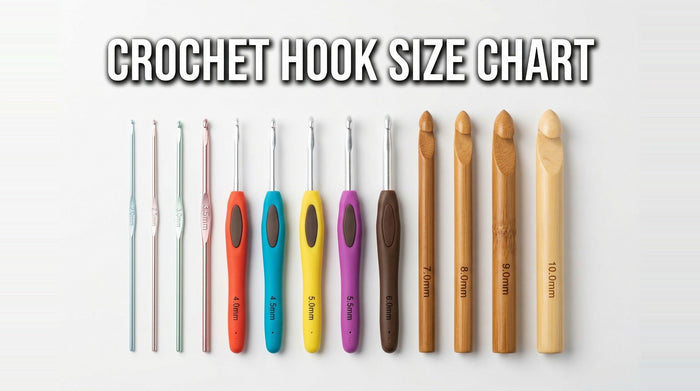
Here’s the calm part: you don’t change yourself. You change the hook.
|
Your Swatch Result |
Adjustment |
|
Too many stitches |
Go up a hook size |
|
Too few stitches |
Go down a hook size |
|
Rows off but stitches correct |
Acceptable for most projects |
Small changes (0.5 mm) often make a big difference.
Gauge and Amigurumi (A Special Note)
For crochet dolls and toys:
-
Patterns often expect tight stitches
-
Smaller hooks are intentionally used
-
Exact size matters less than fabric firmness
Many amigurumi makers size down their hook even if gauge is technically “off”, because the goal is structure, not drape.
🌷 For dolls, consistency matters more than measurement.
Why Your Gauge Changes Mid-Project
This happens more often than people admit.
Common reasons:
-
You relax as you gain confidence
-
You crochet faster
-
You change posture or seating
-
You switch hooks unintentionally
Simple habits that help:
-
Finish projects in similar settings
-
Pause if you notice fabric changing
-
Check stitch height occasionally
Gauge vs Tension (They’re Related, Not the Same)
|
Tension |
Gauge |
|
How tightly you hold yarn |
The result of your tension |
|
Personal habit |
Measured outcome |
|
Changes moment to moment |
Measured after fabric settles |
You don’t “fix” tension directly. It improves naturally as your hands learn rhythm.
A Mindset Shift That Helps 🌸
Gauge isn’t a test you pass or fail. It’s information.
It tells you:
-
How your hands work
-
How your yarn behaves
-
How to adjust with confidence
Once you stop fighting gauge and start listening to it, patterns feel cooperative instead of demanding.
Gentle Takeaway
If your crochet size keeps changing, it means your hands are learning, not that you’re doing something wrong.
Gauge is just the bridge between your natural rhythm and the pattern’s expectations.
And once you learn how to cross that bridge, your projects stop surprising you, and start feeling reliable, intentional, and deeply satisfying.