Let’s talk about the one simple secret that transforms your amigurumi from lumpy to lovable. The key to how to stuff amigurumi evenly is all about your mindset. Instead of treating it like a final chore to rush through, think of it as a mindful, creative step where you breathe life into your creation.
This guide will walk you through a gentle, gradual way of stuffing that is the foundation for a professional-looking finish. With a little patience and a few simple tips, you can turn this step into a joyful part of your crochet practice.
The Secret to Perfectly Smooth Amigurumi
Stuffing is the moment you give your handmade creation its unique personality. When you approach it with patience, it can become a calming, almost meditative experience. Trust me, this small shift in perspective makes all the difference in preventing those dense, hard spots that can ruin your project's shape.
The most important rule is to break the stuffing into small, fluffy pieces before you put them in. Don't just grab a huge clump and shove it in! This one habit dramatically cuts down on lumps and helps the fiberfill distribute evenly, especially in tight areas like tiny arms or ears.
As an actionable first step, always stuff the smallest parts first, like limbs or ears. This ensures they hold their shape properly and don't end up looking sad and deflated next to a well-stuffed body.
The goal is to build up firmness gradually. By adding small tufts of stuffing one at a time, you gain complete control over the final shape and texture of your piece.
Of course, mastering this technique is just one part of the puzzle. Great stuffing goes hand-in-hand with all the other final steps that bring your project together. To get the full picture on giving your projects that polished look, check out our comprehensive guide to essential crochet finishing techniques.
With the right mindset and a few simple tricks, you can make sure every amigurumi you create looks just as cute as you imagined.
Choosing Your Tools and Materials
Before you can bring your little creation to life, you need to gather your supplies. This is one of my favorite parts of any project! The good news is that you don't need a lot of complicated gear. In fact, you probably have most of what you need right at home.
When it comes to stuffing, the go-to choice for most crocheters, especially beginners, is polyester fiberfill. It's wonderfully soft, budget-friendly, and you can find it in just about any craft store. It gives your amigurumi a consistent, squishy feel that holds its shape beautifully over time.
Of course, natural materials have their own unique qualities. For centuries, crafters used fibers like wool to stuff dolls and toys. Many fiber artists still love it for its unique, dense feel and natural springiness.
Selecting Your Yarn
The yarn you pick is just as crucial as the filling inside. Think of your crocheted piece as the container for the stuffing. To keep that filling from peeking out, your best friend is a dense, tightly stitched fabric.
For amigurumi, we recommend a 100% mercerized cotton in a fingering weight (thin, good for detail). This type of yarn is fantastic for creating crisp, defined stitches that lock together tightly. The result is a smooth, durable fabric that holds its shape perfectly and prevents any pesky white fluff from showing through. For a deeper dive, check out our full guide to the best yarn for crochet amigurumi.
Your yarn and hook combination creates the container for your stuffing. A sturdy, tightly-stitched fabric ensures that all your careful work on the inside stays neatly tucked away.
Simple Tools for Perfect Placement
Finally, you’ll need a simple tool to help you nudge the stuffing into all those tight corners and tiny limbs. There’s no need to buy anything special for this! A quick look around your house will likely turn up the perfect instrument.
Here's a quick rundown of some common household items and craft tools that work wonders for getting that stuffing exactly where you want it.
Essential Stuffing Tools and Their Uses
| Tool | Best For | Beginner-Friendly Tip |
|---|---|---|
| Chopsticks | Long, narrow parts like arms and legs. | Use the blunt end to gently push stuffing without snagging the yarn. |
| Crochet Hook End | Small, rounded areas like hands or feet. | The smooth, blunt end of your hook is perfect for precise, gentle packing. |
| Craft Tweezers | Tiny details and precise placement. | Great for adding tiny bits of stuffing to shape a nose or cheek. |
| Hemostats | Reaching deep into tight spaces with a firm grip. | These locking forceps are a game-changer for stuffing long, thin tentacles or tails. |
| Pencil Eraser | General stuffing and shaping larger areas. | The soft eraser end provides a good grip without being sharp enough to damage stitches. |
Ultimately, any of these tools will help you achieve that smooth, even, and lump-free finish we’re all aiming for. Just grab what you have on hand and you’ll be ready to go.
The Art of Gradual and Mindful Stuffing
This is where the magic really happens, turning that flat piece of crochet into a cuddly, three-dimensional friend. If there's one secret to how to stuff amigurumi evenly, it's patience. Forget grabbing big handfuls of stuffing and jamming them in. The real trick is to add small, fluffed-up pieces, one at a time.
Think of it like building layers of softness from the inside out. Start by placing little tufts of fiberfill at the farthest point from your opening. For a head, that’s the very top; for a tiny arm, it's the tip of the hand. I like to use the blunt end of a chopstick or even my crochet hook to gently guide each piece exactly where I want it.
Stuff as You Go
One of the best habits you can get into is stuffing your project as you crochet. This is a game-changer for pieces with narrow openings, like arms, legs, or tails. We’ve all been there, trying to stuff a long, skinny tube after it’s fully closed is a one-way ticket to frustration and lumpy limbs.
Instead, just pause your work every inch or so to add a little filling. This simple "stuff-as-you-go" approach makes sure every nook and cranny gets the attention it needs. It’s how you avoid those sad, floppy limbs and create a sturdy, well-shaped amigurumi.
Think of stuffing not as a final step, but as an ongoing conversation with your creation. Each little piece of fiberfill you add helps to define its shape and bring its personality to life.
Navigating Different Shapes
Every amigurumi piece brings its own fun little puzzle. A perfectly round head needs a different touch than a long, slender leg, and that’s part of the charm!
For Round Shapes (Heads, Bodies): My go-to method is to fill the outer walls first, gently pressing the stuffing against the stitches. Then, I work my way inward. This creates a firm outer shell and helps maintain that perfect sphere without any weird lumps.
For Long, Skinny Shapes (Limbs, Tails): The key here is using tiny, pea-sized bits of stuffing. Push them down to the very end with your tool, adding one small piece after another. This prevents any empty air pockets from forming along the way.
Shaping and Sculpting for a Lifelike Look
Stuffing isn't just about filling a crocheted shell. This is the moment where you truly become a sculptor, breathing life and personality into your creation. When you start thinking of stuffing as a sculpting medium, you can turn a basic shape into something really special.
This is your chance to add all those adorable features that make a piece unique. Want to give a teddy bear some extra chubby cheeks? Just pack a few extra, firm bits of stuffing right into that spot. The same idea works for creating a perfectly plump belly or shaping the delicate curve of an animal's snout.
The Press and Shape Technique
Once your project is mostly full, the "press and shape" technique becomes your secret weapon for getting that smooth, professional finish. Use your hands on the outside of your amigurumi to gently massage and mold the fiberfill inside. This simple motion helps break up any sneaky clumps and spreads the stuffing evenly, giving you those beautiful, soft contours you're after.
If you feel a lumpy area, just press and roll it between your palms. The warmth and pressure help the fibers settle together, creating a seamless form and giving your amigurumi that wonderfully squishy quality we all adore.
Your hands are the final tools in the stuffing process. They allow you to feel for inconsistencies and shape your creation from the outside in, ensuring a flawless finish.
Experienced makers know that shaping is a continuous process, not a final step. One of my favorite tricks is to mold the fiberfill from the inside by pushing it from wider areas into tighter spots, making sure every little nook and cranny is perfectly filled.
Supporting Necks and Limbs
If your amigurumi is destined for lots of cuddles and playtime, adding durable support to key areas is a must. The neck is a common weak spot and needs extra attention to avoid the dreaded "floppy head" syndrome that can happen over time.
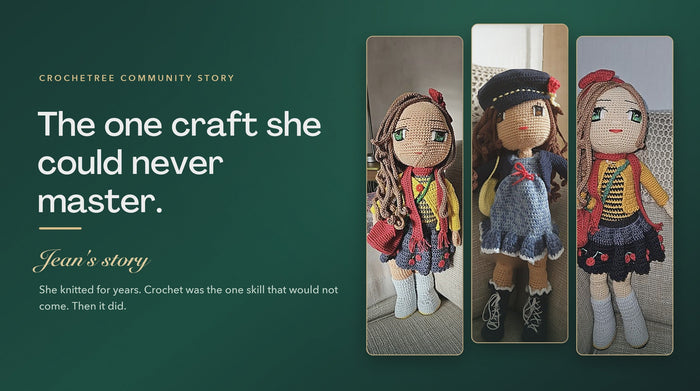
To give the neck the structure it needs, don't be shy, stuff it very firmly. Pack small tufts of fiberfill in as tightly as you can until the area feels solid and stable enough to support the head's weight. This is much easier if you plan ahead with your pattern. For our Crochetree dolls, the use of a sturdy acrylic stick is crucial to keep the heads straight, because the wigs are quite heavy.
When it comes to limbs, you're looking for a balance between firm and soft. You want them sturdy enough to hold their shape through countless adventures but not so stiff that they lose their playful, posable charm. A firm fill at the joints combined with a slightly softer fill in the middle of the arms and legs usually gives the best results.
Common Stuffing Mistakes to Avoid
Every crafter makes a few mistakes on their journey. It’s just part of how we learn! Think of these common pitfalls not as setbacks, but as chances to really nail your technique. Once you learn to spot and fix them, you'll master how to stuff amigurumi evenly and feel that amazing boost of confidence.
One of the biggest hurdles for beginners is overstuffing. It’s so tempting to just keep packing in the filling, thinking "more is better." But this can stretch your beautiful stitches until they bulge, letting that white fiberfill peek through. If your stitches look strained or you can see the fluff, it's a sign you've gone a little too far.
Finding the Right Balance
On the flip side, under-stuffing is just as much of a problem. A lightly filled amigurumi will look limp and won't hold its shape properly. This is how you end up with a floppy neck or sad, deflated limbs that just don't have that playful quality.
A good rule of thumb is to stuff until the piece feels firm and squishy, but the stitches still look relaxed and uniform.
Don’t be afraid to make adjustments as you work! If you’re about to close up a piece and notice a lumpy spot, just use your stuffing tool to gently move the filling around from the inside.
Avoiding Lumps and Bumps
Ah, the dreaded lumpy finish. This usually happens when you try to use large, un-fluffed wads of stuffing all at once. Always remember the golden rule: small, separated tufts are your best friend.
Using small bits prevents dense clumps from forming and gives you that smooth, professional-looking surface we all want. If a piece is already closed and feels bumpy, don't panic! A gentle massage from the outside can often help smooth things out beautifully.
Your Amigurumi Stuffing Questions Answered
Even when you've got the technique down, a few tricky questions always seem to pop up. Let's tackle some of the most common ones I hear so you can get back to the fun part—bringing your creation to life.
Can I Use Yarn Scraps for Stuffing?
While it’s a fantastic way to be resourceful, using only yarn scraps isn't the best idea. I've found they tend to clump together, which can leave your amigurumi looking lumpy and feeling surprisingly heavy.
But here’s a little trick: you can absolutely mix small, chopped-up scraps with your polyester fiberfill. Just tuck them into the very center of a larger piece, like a doll's body, to add a bit of weight and save on stuffing. Make sure to surround this core with a generous layer of fiberfill for a perfectly smooth finish.
What If My Stitches Are Too Loose?
It happens to all of us. You're stuffing away and suddenly notice the white fluff peeking through your stitches. This is usually a sign that your tension is a little too loose.
For your next project, try going down a hook size. This creates a much denser, tighter fabric that keeps the stuffing securely inside. If you’ve already finished the piece, don't worry! A clever workaround is to place your stuffing inside an old pair of tights or stockings before inserting it. This creates a simple inner pouch that holds everything in place, completely hidden from view.
My rule of thumb is to stuff until the piece feels firm, but the stitches still look relaxed and even. If you see them stretching or gaping, you've probably pushed in a little too much fluff.
Knowing how to stuff amigurumi evenly is a skill that truly gets better with every little creature you make. Be patient with yourself, embrace the process, and enjoy watching your adorable characters take shape.