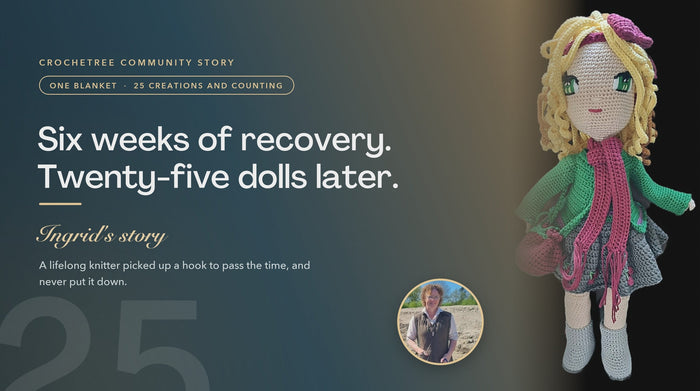
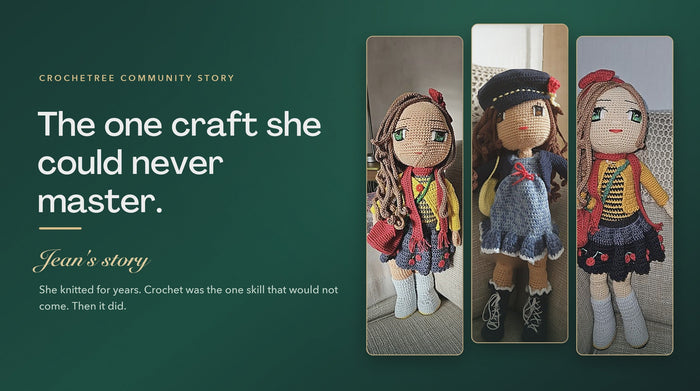
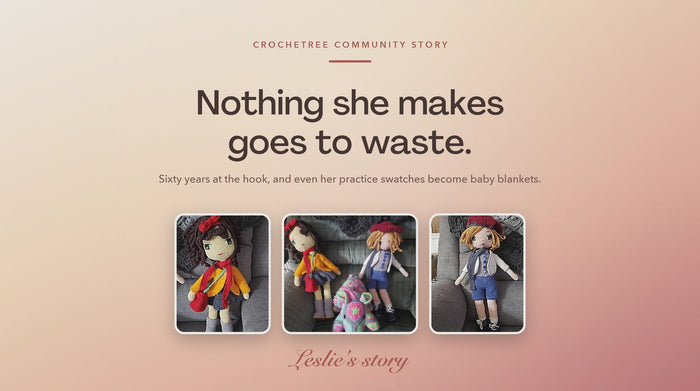
You're at the most magical part of your project! Finishing a crochet doll is where all your hard work blossoms into a polished, durable treasure. It’s that final 10% of effort that adds 90% of the character and quality, transforming your creation from handmade to heartfelt and built to last. Let's walk through this process together, from seamless assembly to adding those expressive little details.
Why a Professional Finish Elevates Your Crochet Dolls
You’ve already poured hours into choosing the perfect yarn, mastering each stitch, and creating every part of your doll. Now comes the joyful moment when those pieces come together to form a character with a story. A thoughtful, careful finish honors all the time and love you've already invested.
Taking that extra time for these final steps is what separates a charming handmade item from a truly professional-quality creation. Think of it as a mindful practice, a way to connect deeply with your work and turn the act of assembly from a chore into an art form.
The Hallmarks of a Polished Doll
So, what does a "professional finish" really mean? It's a combination of small, deliberate actions that add up to a huge impact. These details don't just improve the doll's appearance; they boost its durability, especially if it's meant for gentle play.
A great finish delivers a few key benefits:
Durability and Longevity: When limbs are attached securely and ends are woven in perfectly, your doll can withstand gentle cuddles and last for years to come.
Enhanced Personality: Symmetrically placed features and carefully embroidered expressions are what bring your doll to life, giving it a unique soul.
A Clean, Seamless Look: Invisible seams and even stuffing get rid of the lumps, bumps, and gaps that can make a doll feel unfinished or rushed.
Your finishing technique is your signature. It’s the final whisper of care you give to your creation, ensuring it’s as strong and beautiful as the passion you poured into making it.
Building a Sturdy and Seamless Doll
This is the magic moment, where your carefully crocheted pieces finally start to become a real personality. Assembling your doll isn’t a race; it’s a slow, thoughtful process that turns a pile of parts into a single, sturdy friend. Our goal here is to create attachments so neat they look like they were always part of the whole, yet strong enough to withstand plenty of gentle cuddles.
Before you thread your needle, take a moment to plan. Lay out all the pieces and decide on the perfect placement for the arms, legs, and head. This is where pins become your absolute best friend! Use them to hold the limbs in place temporarily, then step back and look at your doll from every angle. Are the arms at the same height? Do the legs look balanced? Making these tiny adjustments now saves you from ripping out seams later.
Choosing Your Stitching Method
Once you're happy with how everything looks, it’s time to sew. The stitch you choose is a huge part of finishing crochet dolls professionally, because it affects both the strength and the visibility of your seams. You're aiming for a join that's nearly invisible, flexible, and tough.
Different situations call for different stitches, but a couple of them are true standouts for amigurumi:
The Mattress Stitch: This is a favorite for good reason. It creates a completely invisible seam from the outside by weaving your needle back and forth through the back loops of your pieces. As you pull the yarn, it zips the fabric together perfectly.
The Whip Stitch: A simpler and quicker option, the whip stitch involves looping your yarn over the edges of the two pieces you’re joining. While it’s not quite as invisible as the mattress stitch, it creates a very strong and tidy seam, great for attaching smaller parts like ears or tails.
If you want to get a closer look at creating those flawless connections, our guide on how to sew crochet pieces together has detailed tutorials that will really build your confidence.
The Secret to Strong Seams
The yarn you use for sewing is just as important as the stitch itself. An actionable tip you can use right away is to always use a long tail of the exact same yarn you used to make the doll piece. For amigurumi, we recommend 100% mercerized cotton in a fingering weight (which is a thin yarn great for details). Its smooth texture glides through stitches without snagging, and its strength ensures your seams won't stretch or break, preserving your doll's shape and durability.
Take your time with each stitch. Pull the yarn snug, but not so tight that it puckers the fabric. I like to think of it as a quiet conversation between the pieces, gently encouraging them to join as one. This patient approach is what truly creates a seamless and durable doll built to be cherished.
Shaping and Stuffing for Perfect Form
Stuffing your doll isn’t just about filling a void, it’s where your flat, crocheted fabric transforms into a three-dimensional character bursting with personality. Take a deep breath and enjoy this part; it's a slow, deliberate process that makes all the difference.
The secret to a professional-looking doll is to stuff firmly and evenly. We're aiming to banish those pesky lumps and soft spots for good. A doll with a smooth, solid form has that durable, high-quality feel you're after. Think of it as sculpting, adding small tufts of stuffing to build the shape you want.
The Right Tools for the Job
You don't need a drawer full of fancy gadgets for this. In fact, some of the best stuffing tools are probably already in your house.
- A simple chopstick
- The back end of a crochet hook
- Locking tweezers (hemostats)
These simple tools are perfect for nudging fiberfill into the tiniest of spaces, like slender arms and little legs, making sure every part of your doll is perfectly plumped.
Here’s an actionable tip: before you even start, pull your fiberfill apart into small, fluffy clouds. This little bit of prep work prevents the stuffing from clumping together once it's inside the doll. Then, add it bit by bit, gently pushing it into place and turning the piece as you work to keep everything symmetrical.
Sculpting with Stuffing
Stuffing is one of your best tools for adding character and definition. This is a core technique for finishing crochet dolls professionally. For instance, always add a bit of extra firmness to the neck area. This creates a stable base and prevents that dreaded "wobbly head" syndrome. You can also create adorable, chubby cheeks by carefully packing more stuffing into the sides of the face.
Each step, from pinning to sewing and securing, is built on the one before it. A well-stuffed piece is so much easier to assemble correctly. Every few minutes, pause to squish and shape the part with your hands. You'll be able to feel for any empty pockets or spots that are a little too dense.
The right amount of stuffing brings your doll to life. It gives it structure, personality, and the huggable quality that makes it so special. Don't rush this step. It’s a quiet moment where your care and attention truly shine through, making all the difference in your final creation.
Bringing Your Doll to Life with Facial Details
This is my favorite part of the whole process. After all the careful crocheting and assembly, adding the face is where your doll’s unique personality truly begins to shine. It’s the moment a collection of stitches transforms into a character you can connect with.
This attention to detail is precisely what makes handmade dolls so special. When you take the time to perfect these finishing touches, you are creating something truly unique and full of love.
Embroidering Expressive Features
Simple embroidery floss is perfect for creating facial features. It gives you incredible control over the final look, and the result is a clean, professional finish that integrates seamlessly with the crochet fabric. Best of all, it's completely safe for dolls made for young children since there are no small parts to worry about.
Before you thread your needle, grab some pins! I always use them to map out exactly where the eyes, nose, and mouth will go. This one simple step is your best friend for achieving perfect symmetry. Step back, look at the face from a few different angles, and make sure everything feels balanced before you commit to a stitch.
A tiny change in the curve of a smile or the height of an eyebrow can completely alter a doll’s expression from joyful to mischievous. Don't be afraid to play around with the placement until your doll's personality starts to emerge.
You don't need to be an embroidery expert. A few basic stitches are all it takes:
Satin Stitch: My go-to for creating solid, sleepy eyes or a sweet little nose. You're just making a series of straight stitches right next to each other to fill in a shape.
Backstitch: Perfect for creating a clean, defined line. I use it for outlining eyes, forming a gentle smile, or adding delicate eyebrows.
French Knot: This one can take a bit of practice, but it's worth it! It creates lovely, tiny dots that make for bright, awake-looking eyes, especially on smaller dolls.
Choosing Between Embroidered and Safety Eyes
While embroidered features are wonderfully versatile, safety eyes offer a glossy, three-dimensional look that adds a different kind of life to a doll. They are a fantastic option for dolls intended for older children or collectors, offering a quick and polished finish. Always ensure they are used appropriately and with adult supervision for any projects for children.
To help you decide what's best for your project, here’s a quick comparison of the most common techniques.
Facial Feature Techniques at a Glance
| Feature | Technique | Best For | Quick Tip |
|---|---|---|---|
| Eyes | Embroidery | Dolls for all ages, especially babies; expressive, custom shapes. | Use fewer strands of floss for finer, more delicate details. |
| Eyes | Safety Eyes | Dolls for children over 3 (with adult supervision) and collectors; a quick, polished look. | Always attach the washers before you stuff the head completely. |
| Mouth | Backstitch | Simple smiles or neutral expressions; great for beginners. | A single, slightly curved stitch is often all you need for a sweet smile. |
| Nose | Satin Stitch | A small, subtle nose that doesn't protrude too much. | Stitch in the same direction as the crochet stitches for a seamless look. |
| Cheeks | Blush/Pastels | Adding a touch of color and a healthy glow. | Apply with a small brush and build up the color slowly. |
If you decide safety eyes are the right fit, it's crucial to get the installation right. Our crafter's guide to amigurumi safety eyes is packed with information on sizes, types, and best practices to ensure they're secure.
Adding Hair and Final Flourishes
Hair is another amazing opportunity to inject personality. You can go for simple ponytails made from strands of yarn or create elaborate, individually attached curls for a full, stylable head of hair. Another great method is to crochet a "wig cap" that you can sew onto the head for a neat and uniform look.
Finally, never underestimate the power of the little details. Some people love adding a light dusting of blush to the cheeks. You can use actual cosmetic blush or even chalk pastels to give your doll a sweet, healthy glow. It’s these thoughtful final touches that truly elevate your work, turning your crocheted doll into a one-of-a-kind piece of art.
Adding Polished Final Touches
You're almost there! The last few steps are what take a doll from "nicely done" to truly special. These are the details that signal real craftsmanship, making your creation durable, beautiful, and ready for a lifetime of hugs. It's time to slow down, take a deep breath, and give your work the mindful finish it deserves.
One of the most critical jobs here is weaving in every single yarn end. I can't stress this enough! Don't just snip them short. Instead, grab a yarn needle and carefully thread each tail through the inside of the work, passing it back and forth a few times in different directions before trimming it flush. This creates a secure, invisible finish that will stand the test of time.
Sharing Care Tips
Once your doll is looking perfect, think about how to keep it that way. It's such a thoughtful gesture to include simple care instructions, especially if you're gifting or selling your doll. A small tag explaining how to spot-clean with a damp cloth and mild soap ensures the doll stays beautiful for years. For more in-depth methods, you can explore various crochet finishing techniques that cover everything from advanced weaving to different blocking styles.
Refining the details and ensuring top quality are the steps that connect skilled artisans like you with an appreciative audience. Taking these final steps in finishing crochet dolls professionally is a universal standard of care for these beloved handmade treasures.
Common Questions About Finishing Crochet Dolls
Even after years of crocheting, little questions can pop up when you're in the middle of a project. I get asked these all the time, so let's walk through the most common hurdles you might face when finishing crochet dolls professionally. We can solve these little puzzles together.
What Is the Best Stuffing for Amigurumi Dolls?
For stuffing, my go-to is always polyester fiberfill. It’s wonderfully light, holds its shape beautifully (even after a wash!), and is made to resist getting clumpy. This is what gives your dolls that perfect, huggable-yet-firm feel.
Here’s my favorite trick for a completely smooth finish: before you even start stuffing, pull the fiberfill apart into small, cloud-like tufts. This simple prep step breaks up any compressed bits and lets you fill every tiny arm and leg evenly. No more lumps!
How Do I Stop the Head from Wobbling?
Ah, the dreaded wobbly head! It’s probably the most common frustration for amigurumi makers, but trust me, it's an easy fix. It all comes down to creating a solid connection between the head and body.
First, don't be shy with the stuffing around the neck. You need to pack it in firmly to create a strong support column. Then, when you start sewing, make sure your stitches are tight, even, and right next to each other. I always go around at least twice with my yarn and needle just to really reinforce that seam. For dolls like ours at Crochetree, with heavy wigs, your best friend against a floppy head will be a nice and sturdy acrylic or wooden stick, going from the crotch to the top of the head.
Can I Use Safety Eyes on Dolls for Babies?
Safety eyes give a lovely, professional look, but they are a definite no-go for dolls meant for children under three years old. Those small plastic parts are a potential choking hazard if they ever come loose, and it's just not worth the risk.
For any doll you're making for a baby or toddler, the safest, and sweetest, option is to embroider the facial features. A bit of embroidery floss can create the most expressive eyes, a cute little nose, and a gentle smile. This way, there are no small parts to worry about, making your creation perfectly safe for the littlest hands.
We hope these tips help you feel confident and joyful as you complete your beautiful dolls. Every stitch you make is a part of a story, and the finishing touches are the perfect ending. Happy crafting