

Ready to turn that single hook and ball of yarn into something amazing? Learning to crochet opens a world of creativity, but knowing where to start can feel overwhelming. This guide is your friendly roadmap, designed to move you past practice swatches and into creating beautiful, functional items you can be proud of. We've curated a collection of truly beginner-friendly crochet projects that build fundamental skills one stitch at a time.
Each project in this list was chosen specifically to reinforce the basics, such as creating a slip knot, chaining, and working simple stitches like the single crochet and double crochet. You won't find complex patterns or confusing techniques here. Instead, you'll discover how these foundational stitches combine to create classic items, from the iconic granny square to a cozy, practical beanie.
This article provides more than just ideas; it’s a practical toolkit for your first creative steps. For every project, we outline the essential materials and offer actionable tips to help you get started. This structured approach helps you build confidence with each completed item, transforming you from a curious beginner into a capable crocheter. Let’s pick up a hook and begin this rewarding journey together. Your first finished piece is just a few stitches away.
1. The Classic Granny Square: Your Gateway to Crochet
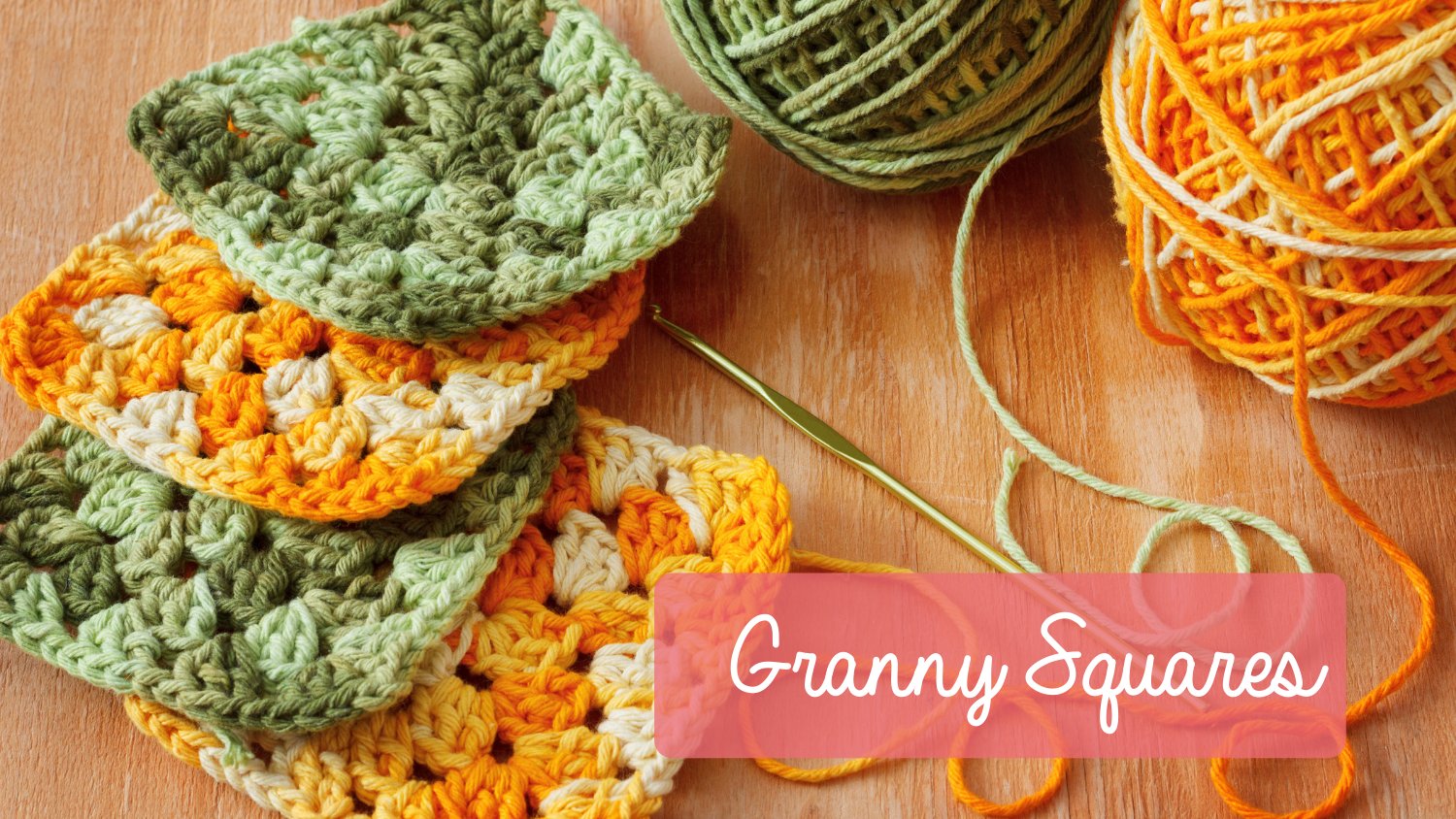
The granny square is often the first project a new crocheter masters, and for good reason. This iconic motif is one of the most versatile and satisfying beginner-friendly crochet projects you can tackle. It’s a small, manageable square worked from the center outwards, combining basic stitches like the chain, slip stitch, and double crochet into repeating clusters.
This repetitive, rhythmic process helps you build muscle memory and master fundamental skills without the pressure of a large, complex pattern. Because each square is a small victory, you get a wonderful sense of accomplishment that fuels your motivation to keep learning.
Why It’s a Perfect Starting Point
The granny square is the ultimate practice piece. You’ll get comfortable holding your hook and yarn, maintaining consistent tension, and learning to read your stitches. The pattern is simple enough to memorize quickly, allowing you to focus on the physical mechanics of crochet.
Its modular nature means you can create countless items by simply joining squares together. This makes it an incredibly forgiving project; if one square doesn’t turn out perfectly, you can just set it aside and start another without undoing hours of work.
Actionable Tip
Start with a light-colored yarn. It makes it much easier to see your individual stitches, so you can count them accurately and see where to place your hook for the next one. This small change makes a huge difference when you're just starting out!
Recommended Materials
For your first granny squares, choosing a smooth, easy-to-handle yarn is key. Presenting a few options helps you choose what's best for your project's needs.
Yarn:
- Cotton blends (DK/worsted): Breathable and easy to care for, making them great for coasters or washcloths made from granny squares.
- Acrylic (mostly worsted): A budget-friendly and machine-washable option, common for blankets and durable projects.
Hook: A 5.0 mm (H-8) or 5.5 mm (I-9) hook typically pairs well with worsted-weight yarn. Check the yarn label for the manufacturer's recommendation.
Notions: You’ll also need a pair of scissors and a tapestry needle for weaving in the ends.
2. The Simple Scarf: Your First Wearable Masterpiece
After learning the basic slip knot and chain, a simple scarf is the perfect next step on your crochet journey. This project is one of the most rewarding beginner-friendly crochet projects because it transforms fundamental skills into a tangible, wearable item almost immediately. You'll work back and forth in straight rows, building your confidence with every stitch.
A scarf is essentially a long rectangle, which removes the complexity of shaping or increasing and decreasing stitches. This allows you to focus purely on mastering the basics: creating a foundation chain, working into it, and building consistent rows. The repetitive motion is incredibly meditative and helps you perfect your tension and rhythm, which are core skills for all future projects.
Why It’s a Perfect Starting Point
The simple scarf is a fantastic project for building confidence and foundational knowledge. By working entirely in rows, you quickly learn how to turn your work and how to count your stitches to keep the edges straight, a crucial skill for any project that isn't worked in the round.
Because a scarf is so forgiving, it’s an ideal canvas for practice. If your tension is a little uneven at the start, it will likely even out as you go and won’t be very noticeable in the final piece. This low-pressure environment lets you truly enjoy the calming, mindful process of creating with your hands. You'll learn everything you need to know about basic crochet stitches while making something cozy and useful.
Actionable Tip
To keep your edges straight, place a stitch marker in the first and last stitch of your first row. On each new row, move the markers up to the new first and last stitches. This visual reminder helps ensure you don't accidentally add or skip stitches at the ends.
Recommended Materials
Choosing the right materials will make your first scarf project a smooth and enjoyable experience. Comfort is key, as this item will be worn against the skin.
Yarn:
- Acrylic (mostly worsted): Budget-friendly and machine-washable, making it a popular choice for everyday accessories.
- Wool/wool blends: Very warm and elastic with great stitch recovery, perfect for cozy winter scarves (always check for skin sensitivity and care instructions).
Hook: A 5.5 mm (I-9) or 6.0 mm (J-10) hook usually works well with worsted-weight yarn, but always check the yarn label for the recommended size.
Notions: You'll need a pair of scissors to cut your yarn and a tapestry needle to weave in your ends for a clean, professional finish.
3. The Practical Dishcloth/Washcloth
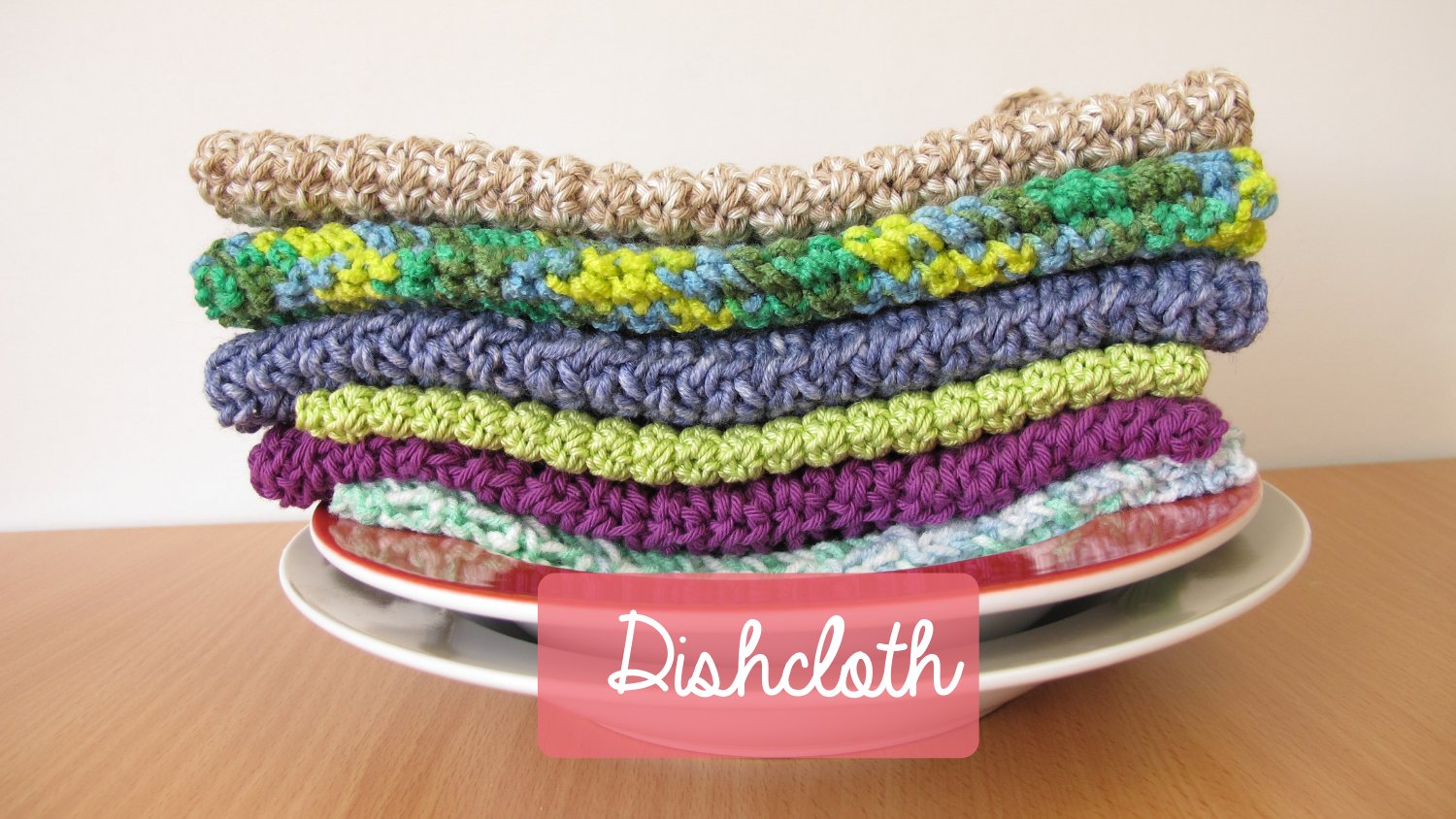
If you're seeking a project that is both quick and immediately useful, the humble dishcloth is one of the best beginner-friendly crochet projects you can choose. This small, square project is the perfect canvas for practicing basic stitches like single crochet and half-double crochet without the commitment of a larger item. It’s a low-risk, high-reward way to build fundamental skills.
The satisfaction of creating a functional item for your home in just an hour or two is incredibly motivating. Dishcloths allow you to experiment with stitch textures and tension in a contained, manageable format, giving you a tangible result that you can use daily.
Why It’s a Perfect Starting Point
A dishcloth is a fantastic skill-builder. It teaches you how to create a foundation chain and work in straight rows, which are essential techniques for countless other projects. Maintaining straight edges and counting your stitches row after row will quickly become second nature.
Because the project is small, it’s also very forgiving. If you make a mistake, it’s easy to unravel a few rows (a process called "frogging") and try again without losing much progress. This makes it an ideal way to practice new stitches and build your confidence before moving on to scarves or blankets.
Actionable Tip
Try making your second dishcloth using the half-double crochet (HDC) stitch instead of single crochet. This slightly taller stitch works up faster and creates a different texture, helping you expand your skills on a simple, familiar project.
Recommended Materials
For a functional and durable dishcloth, the right yarn is crucial.
Yarn: A 100% cotton yarn in a worsted or DK weight is the best choice. Cotton blends (DK/worsted) are breathable, absorbent, and easy to care for, making them ideal for homewares like dishcloths. Avoid acrylic, as it repels water and can melt with heat.
Hook: A 5.0 mm (H-8) hook usually works well with worsted-weight cotton, but always check your yarn label for the recommended size.
Notions: You will need a good pair of scissors and a tapestry needle to weave in your ends for a clean, professional finish.
4. The Heartfelt Baby Blanket: A Cozy Keepsake
Creating a baby blanket is one of the most rewarding beginner friendly crochet projects you can choose. It’s a chance to make something substantial and deeply meaningful, moving beyond smaller practice items to create a cherished gift. These projects are typically simple rectangles or squares, allowing you to master basic stitches through repetition while producing a beautiful, functional heirloom.
This project teaches patience and the importance of consistent tension over a larger area, skills that are crucial as you advance in crochet. The feeling of completing a soft, cozy blanket for a loved one provides a powerful sense of accomplishment and a tangible connection to the craft.
Why It’s a Perfect Starting Point
A baby blanket is the ideal project for building your stamina and confidence. The simple, repetitive rows help you find a comfortable rhythm, turning the process into a mindful and relaxing activity. Because the basic shape is a straightforward rectangle, you can focus entirely on perfecting your stitches without worrying about complex shaping or counting.
This project is also incredibly forgiving. Small mistakes are often unnoticeable in the overall texture, and the large canvas gives you plenty of room to practice and see your skills improve row by row. It’s a project that grows with you, leaving you with a beautiful and useful item at the end.
Actionable Tip
Before you start, crochet a small 4x4 inch test square (called a gauge swatch) with your chosen yarn and hook. Wash and dry it according to the yarn label's instructions. This helps you see how the fabric will feel and behave after washing, ensuring your final blanket is as soft and cozy as you imagine.
Recommended Materials
Choosing the right materials is essential for a soft and safe baby blanket. Adult supervision is always recommended for handmade items used by children.
Yarn: A soft, machine-washable yarn is a must.
- Acrylic (mostly worsted): This is a popular choice as it is budget-friendly, durable, machine-washable, and comes in many soft varieties.
- Cotton blends (DK/worsted): These are breathable and easy to care for, making them a great option for lighter blankets.
Hook: A 5.5 mm (I-9) or 6.0 mm (J-10) hook often creates a nice drape with worsted-weight yarn, but always check the yarn label for the recommended size.
Notions: You will need a good pair of scissors and a tapestry needle to securely weave in all your ends for a safe finish.
5. The Coffee Cup Cozy: A Quick and Practical Win
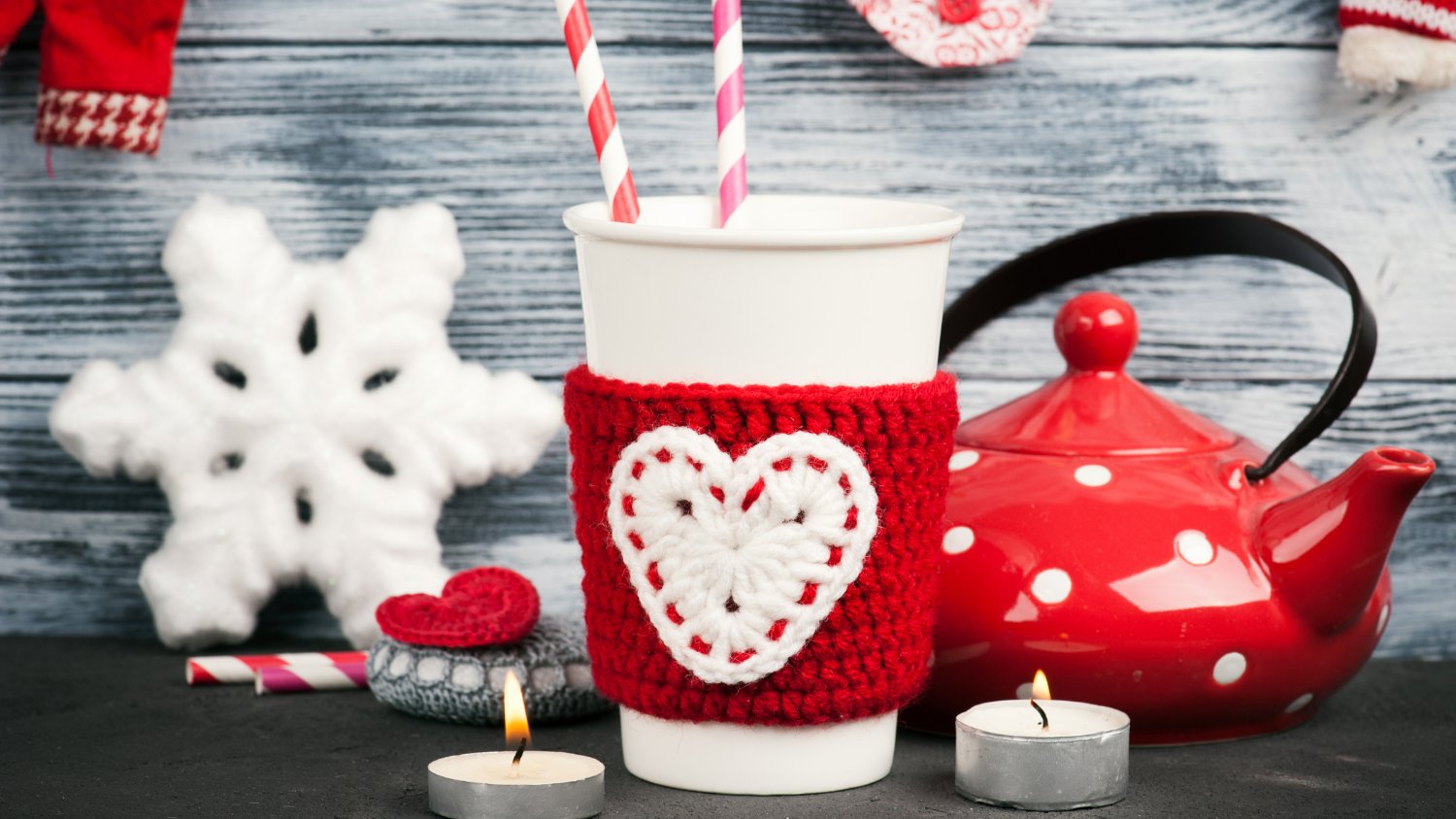
A coffee cup cozy is a small, stylish sleeve that fits around your favorite hot or cold beverage cup, protecting your hands while adding a wonderful personal touch. This project is a fantastic choice for beginners because it’s quick, uses very little yarn, and introduces you to essential skills in a low-pressure way. It's the perfect instant-gratification project to build your confidence.
This small wonder teaches you how to work in the round or in flat rows that are later seamed, how to measure for a custom fit, and how to create functional details like buttonholes. Since it's a compact project, you can experiment with new stitches or color changes without committing to a large blanket, making it one of the most rewarding beginner-friendly crochet projects.
Why It’s a Perfect Starting Point
The coffee cup cozy is the ultimate practical project. Unlike a practice swatch that gets put away, this is something you can use immediately or give as a thoughtful, handmade gift. The project is small enough to finish in an hour or two, giving you a quick sense of accomplishment that fuels your passion for crochet.
It's also an excellent way to practice maintaining consistent tension, which is key to creating a neat and even fabric. Whether you choose a simple seamless tube or a wrap-around style with a button, you’ll be honing foundational skills that apply to almost every future project you tackle.
Actionable Tip
To make sure your cozy fits perfectly, wrap your starting chain around the cup you use most often. It should be snug but not stretched. This simple check at the beginning ensures your finished cozy won't be too loose or tight.
Recommended Materials
Choosing the right materials will ensure your cozy is both beautiful and functional.
Yarn: A durable, heat-resistant cotton blend (DK/worsted) yarn is an excellent choice. This fiber is breathable, easy to care for, and provides good insulation from both hot and cold temperatures.
Hook: A 4.5 mm (G-6) or 5.0 mm (H-8) hook is typically a good match for worsted-weight cotton. Choosing the right tool is crucial, so you might want to learn more about buying the right crochet hooks for your project on crochetree.com.
Notions: You'll need scissors, a tapestry needle to weave in ends, and possibly a fun button if you are making a wrap-style cozy.
6. Simple Hat (Beanie)
Ready to move beyond flat projects? A basic crochet beanie is your perfect introduction to working in the round and creating three-dimensional, wearable items. Typically worked from the crown down, this project teaches you how to make seamless circular shapes using increases, a fundamental skill for many other patterns like amigurumi and baskets.
Making your first hat is a huge confidence booster. It transforms a flat circle into a functional, stylish accessory that you can wear or gift with pride. This practical project bridges the gap between simple squares and more complex garments, making it one of the most rewarding beginner-friendly crochet projects.
Why It’s a Perfect Starting Point
A beanie teaches you essential shaping techniques in a manageable way. You will learn how to create a flat circle using strategically placed increases and then how to work even rounds to form the body of the hat. This process solidifies your understanding of stitch counting and pattern repetition, which are crucial for project success.
Because it’s a relatively small project, you can finish a beanie quickly and experiment with different stitches or colors without a huge time commitment. It’s also easy to customize the fit; you can try it on as you go to ensure it’s the perfect size.
Actionable Tip
When working in the round, use a stitch marker in the first stitch of each round. This acts as your starting line and helps you keep track of where each round begins and ends, which is essential for accurate increasing.
Recommended Materials
Choosing the right yarn will ensure your hat is comfortable and warm.
Yarn: A soft, worsted-weight yarn is an excellent choice.
- Wool/wool blends: These are warm and elastic with great stitch recovery, making them ideal for a snug-fitting hat.
- Acrylic: A great budget-friendly and easy-care option that comes in a huge variety of colors.
Hook: A 5.0 mm (H-8) or 5.5 mm (I-9) hook is typically recommended for worsted-weight yarn. Always check your yarn label for guidance.
Notions: You will need scissors, a tapestry needle, and a stitch marker to keep track of the beginning of your rounds.
Getting the size right is key to a great-fitting beanie. The infographic below provides a quick reference for standard head circumference measurements.
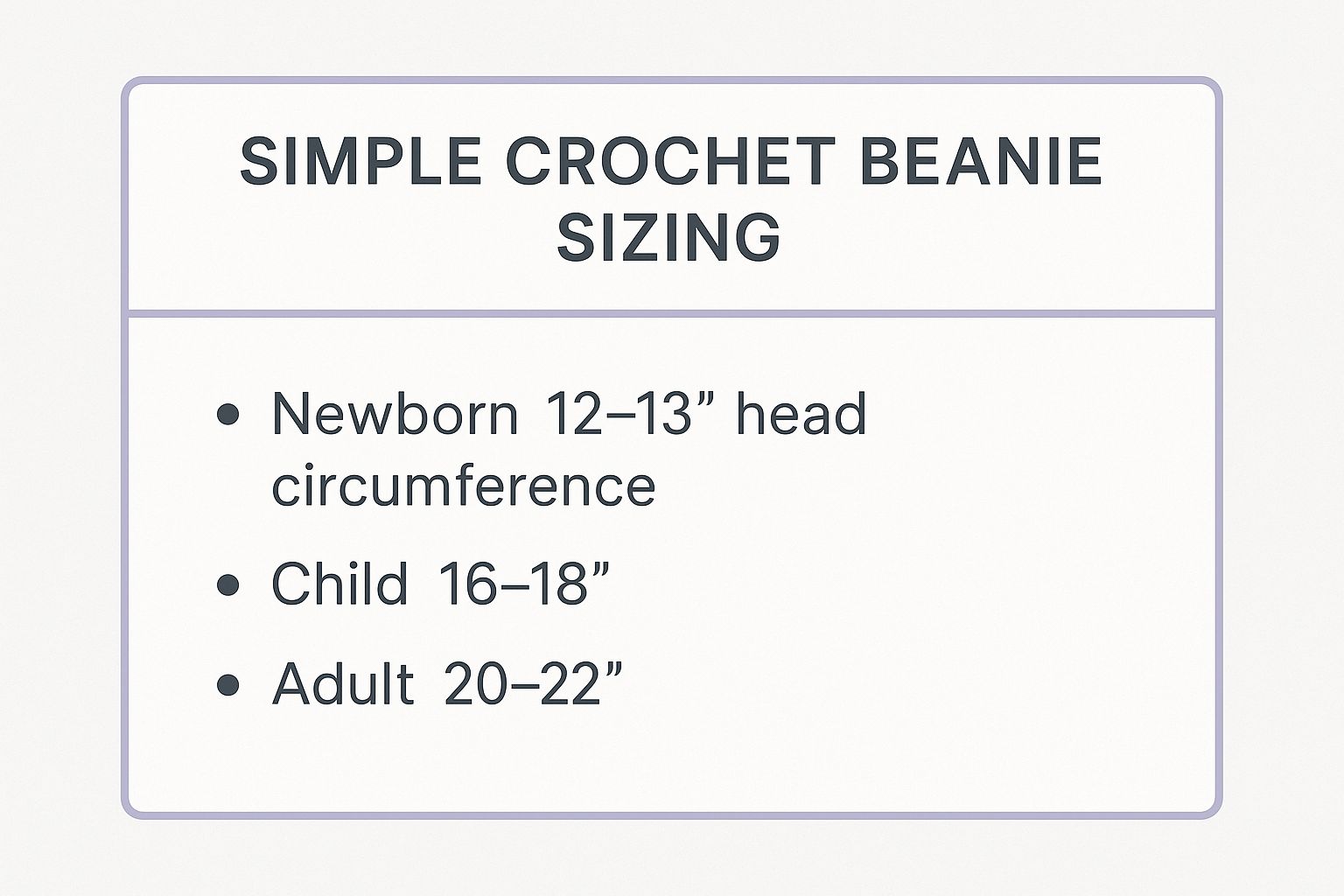
These measurements provide a solid starting point, helping you adjust your pattern to create a hat that fits just right, whether for a newborn or an adult.
7. The Custom Crochet Phone Case
A crocheted phone case is a wonderfully practical and stylish project that protects your device while showing off your new skills. This project is a fantastic step up for beginners, teaching you how to work in rows or rounds to create a piece with specific dimensions. It’s a quick, satisfying make that results in something you can use every single day.
Crafting a phone case introduces you to the importance of gauge and tension. You’ll learn to create a denser fabric so the case is sturdy and protective. It’s one of the most useful beginner friendly crochet projects because it combines creativity with real-world function, making it a perfect handmade gift or personal accessory.
Why It’s a Perfect Starting Point
This project is the ideal introduction to creating custom-fit items. You will practice measuring an object and translating those dimensions into a crocheted piece, a crucial skill for future projects like garments. Because it's a small project, you can experiment with different stitches or color changes without a huge time commitment.
The phone case is also a great canvas for personalization. Even a simple single crochet sleeve can be elevated with a button closure, a small embroidered detail, or a fun tassel. It’s a low-risk way to try new techniques on a manageable scale.
Actionable Tip
To create a sturdy, protective fabric, use a hook that is one size smaller than what the yarn label recommends. This will make your stitches tighter and closer together, giving the case more structure and durability.
Recommended Materials
For a phone case, you need a yarn that is durable and won’t stretch out too much with use.
Yarn: A sturdy cotton blend (DK/worsted) yarn is an excellent choice. It’s breathable, easy to care for, holds its shape well, and creates a dense fabric that offers good protection for your device.
Hook: Use a hook that is slightly smaller than the yarn label recommends, such as a 4.0 mm (G-6) or 4.5 mm (G-7) hook for worsted yarn. This helps create a tighter, more rigid fabric.
Notions: You'll need scissors, a tapestry needle for weaving in ends, and potentially a button or bead for a closure.
8. The Amigurumi Ball: Your First 3D Creation
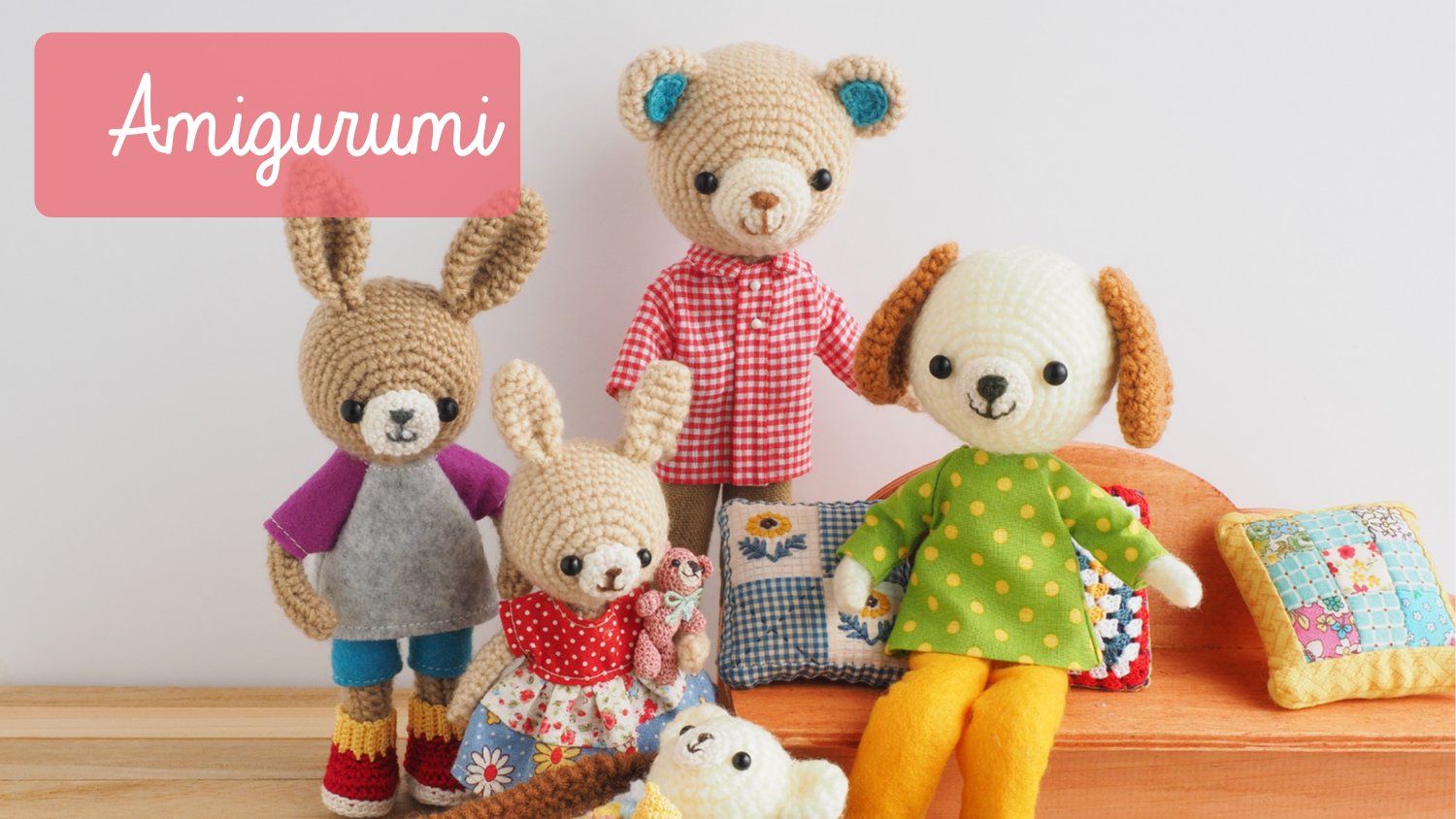
An amigurumi ball is the perfect introduction to the charming Japanese art of crocheting small, stuffed toys. This project teaches you the fundamentals of creating three-dimensional shapes, including working in a continuous spiral, using increases and decreases to form curves, and proper stuffing techniques. It’s a fast, rewarding project that results in an adorable, tangible toy.
This small, spherical project is less intimidating than a full character, yet it covers all the essential skills. Mastering the amigurumi ball builds a strong foundation, making it one of the most effective beginner-friendly crochet projects for anyone curious about toy-making. You'll quickly learn how to transform a flat spiral into a perfectly rounded object.
Why It’s a Perfect Starting Point
The amigurumi ball is a fantastic skill-builder. You will practice working in the round using a magic circle, keeping your stitches tight to create a dense fabric, and counting your stitches meticulously to achieve the correct shape. Because the project is small, you can focus on mastering these new techniques without a huge time commitment.
Its forgiving nature means that if your first attempt isn't perfectly round, you've still learned the core process. You can quickly start another, applying what you’ve learned. This repetitive practice is key to developing the muscle memory needed for more complex amigurumi patterns later on.
Actionable Tip
Stuff your amigurumi ball more firmly than you think you need to. Add small bits of stuffing at a time, pushing it firmly into the sides to create a smooth, round shape without lumps. A well-stuffed project holds its shape beautifully.
Recommended Materials
For amigurumi, a smooth yarn that shows off your stitches is essential.
Yarn: A 100% mercerized cotton (fingering) yarn is highly recommended. This smooth, durable fiber provides crisp stitch definition and holds its shape exceptionally well, which is ideal for creating professional-looking toys.
Hook: Use a smaller hook than the yarn label suggests, typically a 2.0 mm to 2.5 mm hook for fingering weight yarn. This creates a tight fabric with no holes for stuffing to poke through. For a deeper dive into the craft, you can discover more about how to make the perfect amigurumi toy on crochetree.com.
Notions: You will also need a stitch marker to track your rounds, stuffing (like Poly-Fil), scissors, and a tapestry needle. Adult supervision is recommended for handmade toys intended for children.
Your Crafting Journey Has Just Begun
Having explored these engaging and accessible crochet projects, you’ve now seen how simple stitches can transform a single strand of yarn into something beautiful, functional, and deeply personal. From the classic granny square to a cute amigurumi ball, each project serves as a foundational stepping stone on your creative path. You are building not just items, but skills and confidence.
The true value of starting with these specific beginner-friendly crochet projects lies in the core skills they cultivate. Each one was carefully chosen to build your confidence and muscle memory in a logical, low-stress way. You didn’t just learn to make a scarf; you mastered consistent tension. You didn’t just create a hat; you learned how to shape a three-dimensional object.
The Building Blocks of Your Crochet Future
Think of the skills you've just unlocked as the essential ingredients for any future crochet recipe. Mastering these basics is the key to unlocking a world of more complex and ambitious creations.
Consistent Tension: The simple scarf and baby blanket projects are excellent for this. Achieving even tension is what gives your work a professional, polished look.
Working in the Round: The simple beanie and amigurumi ball introduced you to this crucial technique, which is fundamental for creating hats, toys, and bags.
Shaping and Structure: The granny square and dishcloth taught you how to create flat, geometric shapes, a skill transferable to blankets, pillows, and more.
Practical Application: Projects like the phone case and coffee cozy show you how to crochet for a specific purpose, requiring you to measure and fit your work.
By focusing on these foundational projects, you've built a robust toolkit of techniques that will serve you in every future endeavor. You now have a feel for how yarn and hook size work together and how simple stitches can create different textures and forms.
Embracing the Journey: What Comes Next?
Your hook and yarn are now familiar tools, and that initial intimidation has hopefully been replaced by a quiet confidence. Remember that every "mistake" is simply a lesson in disguise. That stitch you had to pull out? It taught you how to read your work. That lopsided square? It taught you the importance of counting.
Now is the perfect time to build on your momentum. Here are some actionable next steps to continue your crafting adventure:
- Revisit a Favorite: Make another project from this list, but this time, experiment! Try a different yarn fiber, like a breathable cotton blend instead of acrylic, or use a new color.
- Learn a New Stitch: You've mastered the basics. Now, try learning the half-double crochet (HDC) or a simple textured stitch. These will add incredible versatility to your projects.
- Combine Your Skills: Take the granny squares you made and learn how to join them. You could create a small pillow cover, a table runner, or even the start of a larger blanket.
Remember that the goal isn't perfection; it's progress and the joy of creating. Crochet is a powerful tool for mindfulness, a way to connect with a long tradition of makers, and a beautiful method for bringing warmth and connection into the world, one stitch at a time. You have successfully taken your first steps, and a whole universe of creativity awaits.
![The Ultimate Beginner's Guide to Crochet [2026]](http://crochetree.com/cdn/shop/articles/feat-ultimate-beginners-guide-to-crochet_eae81cec-84d0-455d-b190-08cd22d826c4.jpg?v=1777713815&width=700)
