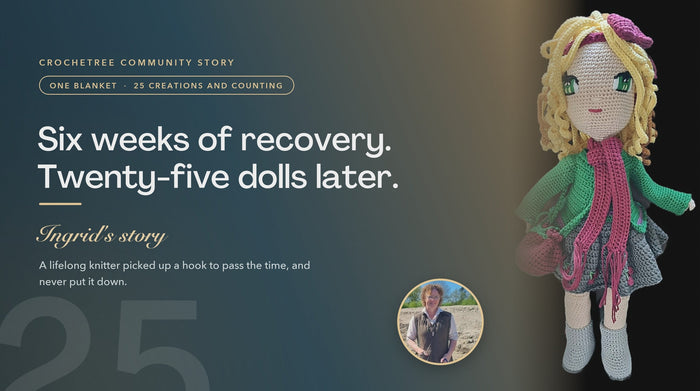
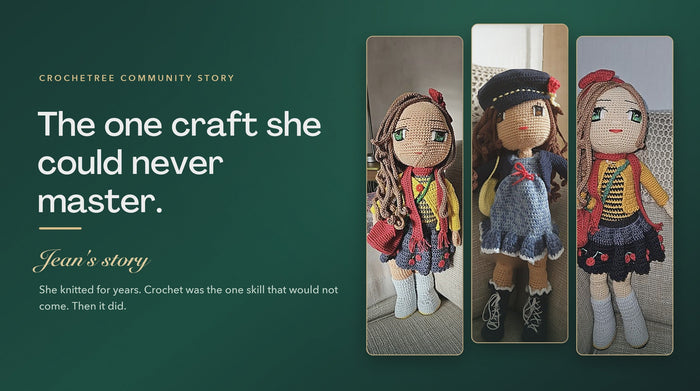
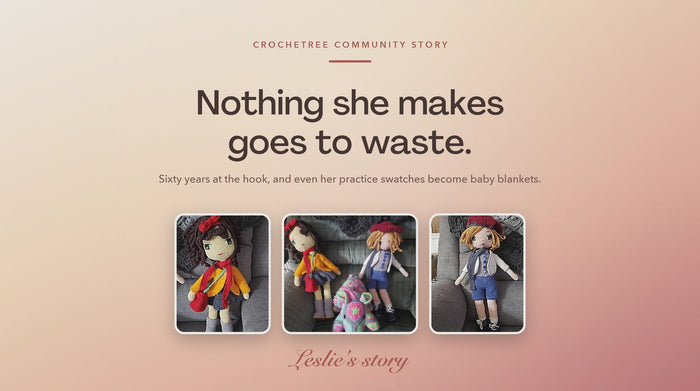
Choosing the best yarn for amigurumi crochet can feel like the biggest decision when you're standing in front of a wall of colorful skeins. If you're hoping to create those classic, beautifully detailed stuffed toys, our most encouraging recommendation is 100% mercerized cotton in a fingering weight. It’s strong, smooth, and has very little stretch, which means your stitches will be crisp and your toys will hold their shape through years of love and cuddles.
Choosing the Perfect Yarn for Your Amigurumi
While mercerized cotton is a wonderful starting point, the "perfect" yarn truly depends on the cuddly creature you're dreaming of making. Your creativity is the only limit! Think of yarn as the first ingredient in your recipe, each fiber brings its own unique texture and personality to your project. From budget-friendly acrylics to cloud-soft chenilles, every skein offers a different path to creating a wonderful, handmade friend. Browse our crochet doll patterns to find your next project.
A Quick Guide to Common Yarn Fibers
Let’s take a quick look at the most common fibers you'll run into. This will help you get a feel for how different yarns are suited for different kinds of projects, both inside and outside the world of amigurumi.
Mercerized cotton (fingering): Smooth, durable, with crisp stitch definition. It holds its shape wonderfully, making it ideal for amigurumi and other detailed work.
Cotton blends (DK/worsted): Breathable and easy to care for. These are a good choice for summer garments, dishcloths, and home decor.
Acrylic (mostly worsted): A budget-friendly and machine-washable option. It's very common for blankets and everyday projects, though it can sometimes pill or create static.
Wool/wool blends: Warm and elastic with great stitch recovery. Perfect for hats and sweaters, but always check the care instructions and be mindful of skin sensitivities.
Chenille/faux-fur: Known for its plush texture, great for blankets and pillows. It's not typically recommended for beginner amigurumi because the fluffiness can make it hard to see your stitches.
Trends in the crochet world show a big demand for yarns that balance cuddliness, durability, and a beautiful finish. Cotton remains a top choice because it ensures the detailed shapes and tiny limbs in amigurumi don’t stretch or sag over time. Newer soft cotton blends have also made the crafting experience much nicer, making those hours of tight stitching much easier on your hands.
Why We Recommend Cotton for Amigurumi
|
Yarn Fiber |
Key Benefit |
Best For |
|---|---|---|
|
Mercerized Cotton |
Excellent stitch definition and durability |
Detailed, classic amigurumi that holds its shape. |
|
Acrylic |
Affordable, soft, and machine washable |
Large toys, practice projects, and gifts for kids. |
|
Chenille/Blanket |
Extremely soft and plush |
Super cuddly, squishy toys with a velvety feel. |
This table is just a starting point, but it shows why mercerized cotton is our go-to for amigurumi. Its structure gives you that clean, professional look and ensures your creation becomes a lasting treasure.
The wonderful thing about amigurumi is that there are no strict rules. The best yarn is the one that brings you joy and helps you create the toy you’ve imagined.
Ultimately, picking your yarn is a personal choice that will shape the look, feel, and even the personality of your creation. Whether you prioritize sharp stitches, ultimate cuddliness, or a rainbow of color options, there’s a perfect fiber out there just waiting for your hook.
Why Yarn Fiber Is the Heart of Your Amigurumi
Choosing your yarn fiber is one of the most important creative decisions you'll make. Think of it like a baker choosing flour; the type you start with determines the texture, structure, and overall feel of the final creation. Every fiber brings its own personality, and that personality will shine through in your finished toy.
For amigurumi, we're looking for a yarn that’s strong, holds its shape, and lets our careful stitches take center stage. This is exactly why 100% cotton is so often celebrated as the ideal amigurumi yarn. It has very little stretch, which helps your stitches stay tight and uniform, creating a firm fabric that keeps stuffing neatly tucked inside, the secret to durable, professional-looking toys.
Understanding Stitch Definition
When you start diving into the world of amigurumi yarn, you'll hear the term stitch definition pop up all the time. But what does it mean? Imagine taking a photograph. Good stitch definition is like a perfectly focused image where every little detail is sharp and clear. Poor stitch definition is like a blurry photo where everything just blends together.
A yarn with great stitch definition allows each individual stitch to stand out, highlighting the beautiful texture of your crochet work and giving your amigurumi a clean, polished appearance.
This is where cotton truly excels. The fibers are smooth and don't get fuzzy or blur into one another. As a bonus, this clarity makes it so much easier for beginners to see exactly where to place their hook, making the whole process more joyful and less frustrating.
Exploring Amigurumi-Friendly Fibers
While cotton is a fantastic all-rounder, different fibers can bring a unique charm to your projects. Here's a closer look at the options that work well for creating stuffed friends.
- 100% Mercerized Cotton: This is your go-to for classic amigurumi that needs to hold its shape perfectly. The mercerization process makes the yarn even smoother and stronger, with a beautiful, subtle sheen. It’s the perfect choice for detailed characters that will be cherished for years.
- Acrylic: A wonderfully soft and budget-friendly option, acrylic yarn comes in an endless rainbow of colors. It's also machine-washable and durable, which is a huge plus for toys made for little hands. A good quality soft acrylic is a fantastic choice for bigger, huggable plushies where squishiness is key.
- Cotton-Acrylic Blends: These yarns offer the best of both worlds. You get the structure and clean stitch definition from the cotton, combined with the softness and affordability of acrylic. This happy medium is ideal for projects where you want a balance between a sturdy build and a gentle feel.
- Wool: If you’re aiming for a more natural, rustic aesthetic, wool is a lovely choice. It has a natural elasticity that can be a little easier on the hands during long crochet sessions. Wool is perfect for creating heirloom-quality toys with a warm, traditional vibe, but be sure to check the washing instructions carefully.
Once you understand how each material behaves, you can confidently pick the best yarn for amigurumi crochet to bring your creation’s unique personality to life.
Choosing the Right Yarn Weight for Your Project
Yarn weight might seem a little confusing at first, but it’s simpler than you think! Imagine it like using different drawing pencils. A fine-tipped pen creates delicate, precise lines, while a thick marker makes bold strokes. The thickness of your yarn directly impacts the final size and detail of your amigurumi in the same way.
For amigurumi, we generally focus on a few popular weights. Each one creates a different fabric and works best with a different hook size to get those perfectly tight stitches we're after. This variety is part of the fun, allowing you to create characters that range from tiny to huggable.
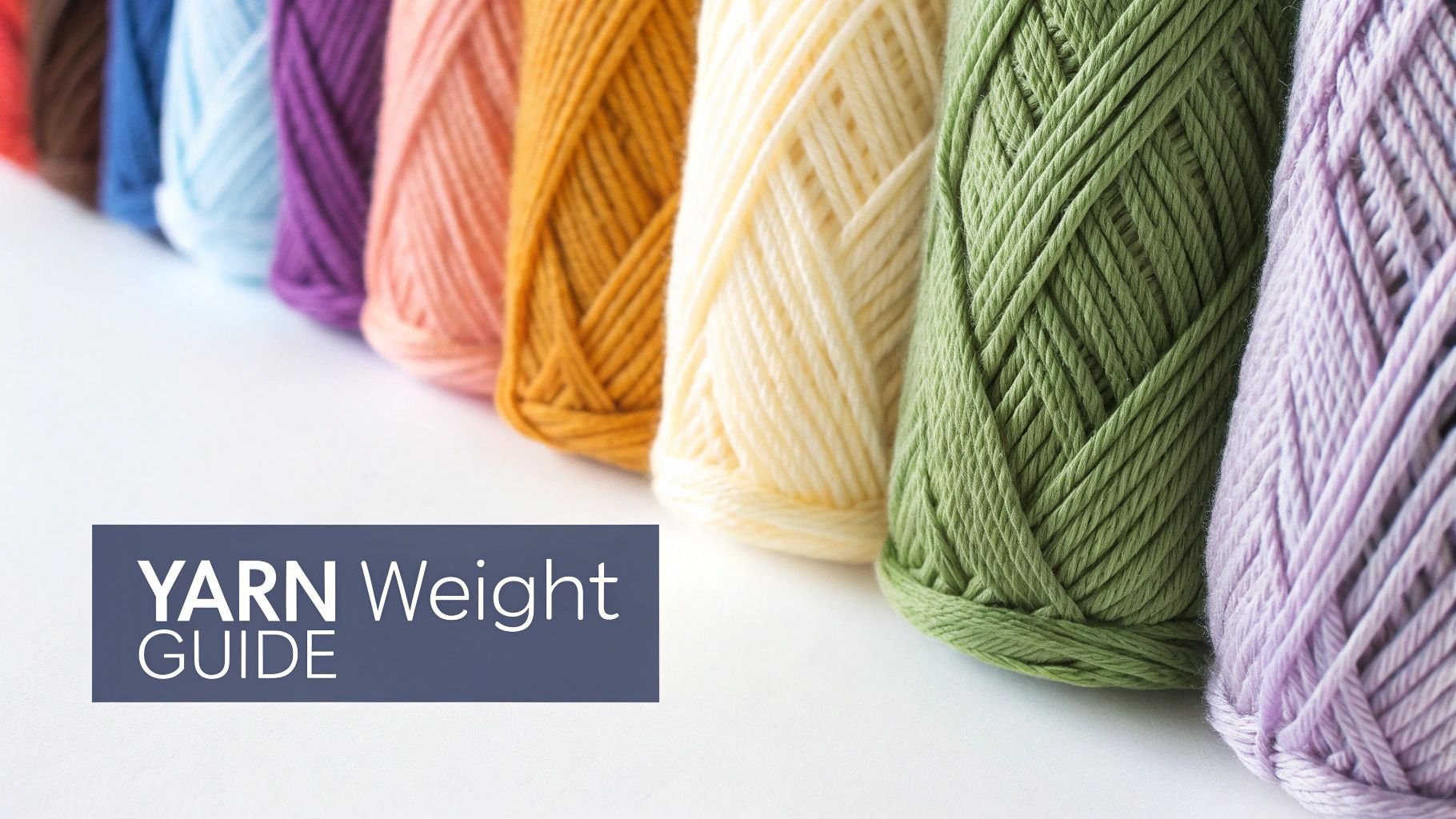
Common Yarn Weights for Amigurumi
Let's break down the most common weights to see how they change your toy’s final look and feel. Choosing the right one is a key step in finding the best yarn for amigurumi crochet for your vision.
Fingering (Category 1): A very thin yarn, perfect for creating small, intricate amigurumi with lots of detail. It produces a tight, dense fabric that ensures no stuffing peeks through.
Sport (Category 2): A little thicker than fingering, sport weight is another fantastic choice for detailed work, striking a lovely balance between delicate detail and slightly faster progress.
DK (Category 3): DK, or Double Knitting, is a versatile, middle-of-the-road option. It’s thick enough to work up more quickly but still allows for plenty of shaping and detail.
Worsted (Category 4): One of the most common yarn weights, this is fantastic for creating larger, more huggable toys. It works up quickly and is very beginner-friendly.
Why Finer Yarn Is a Classic Choice
While you can use any weight you like, fingering weight yarn is often the go-to for classic amigurumi. Its slender profile lets you use a smaller hook, which naturally creates a very tight, solid fabric. This is the secret to professional-looking toys that hold their shape perfectly and can stand up to lots of love.
The most important rule for amigurumi, regardless of yarn weight, is to create a fabric so dense that the stuffing stays hidden. An actionable tip is to use a hook one or two sizes smaller than the yarn label suggests to achieve this.
If these categories still feel a bit new, don't worry. You can dive deeper with our complete guide to understanding yarn weights. Experimenting with different thicknesses is a wonderful way to discover your personal style.
How Yarn Texture and Twist Shape Your Toy
Once you've settled on a fiber and weight, there are two more subtle qualities to consider: texture and twist. These play a huge role in how your amigurumi turns out, affecting everything from the crocheting experience to the final look and durability of your toy. Getting to know them helps you pick materials that make your project a joy from start to finish.
Let's start with twist, which is all about how the yarn is put together. Most yarn is made from smaller strands, called plies, that are twisted together. A firm, tight twist is a game-changer for amigurumi because it prevents the yarn from splitting while you work. A good twist keeps everything together, making your stitches cleaner and your crafting experience much smoother.
From Smooth to Squishy Textures
Yarn texture is where your toy’s personality really begins to shine. It dictates how your amigurumi feels to the touch and gives it a distinct look.
Smooth Yarns: Think of mercerized cotton. Its surface is sleek and consistent, which gives you incredible stitch definition. Every stitch is crisp and clear, making it the best yarn for amigurumi crochet if you're a beginner because it's so much easier to see what you're doing.
Fluffy Yarns: Chenille and faux fur yarns are cloud-like and unbelievably soft, perfect for creating ultra-cuddly, squishy toys. The catch is that their fluffiness hides your stitches, making it a real challenge to see where to place your hook.
If you’re feeling adventurous and want to try a fluffy yarn, here's a helpful tip: work in a well-lit area and use stitch markers in every round. You can also learn to "feel" for your stitches with your fingertips instead of relying only on sight. For more guidance, check out our post on how to crochet stuffed toys with cuddly results.
A yarn's twist adds strength and prevents splitting, while its texture defines the look and feel of your toy. Choosing a smooth, tightly plied yarn like mercerized cotton makes for a frustration-free and rewarding first project.
By paying attention to these little details, you can select a yarn that not only feels wonderful but also sets you up for success. This thoughtful choice ensures your crafting time is relaxing and the finished toy is something you can be truly proud of.
Matching Your Yarn to Your Amigurumi's Purpose
Now it's time to pull it all together and ask the most important question: who is this little creation for, and what kind of life will it lead? The best yarn for amigurumi crochet isn’t just about the specs on the label; it’s about matching the yarn to your project’s heart and soul. Thinking about its final purpose will guide you to the perfect choice every time.
For Detailed Display Pieces
Are you making a tiny, intricate character destined for a collector’s shelf? For these special pieces, stitch definition is everything. You need every single stitch to pop, showing off your skill and ensuring the toy holds its shape perfectly over the years. This is where 100% mercerized cotton in a fingering weight (a thin yarn) absolutely shines, capturing crisp details without any fuzz or stretch.
For Big, Cuddly Plushies
On the other hand, if you're making a big, squishy friend made for endless hugs, your priorities change completely. Here, it’s all about softness and comfort.
Soft Acrylic: Modern acrylics are incredibly soft, come in a rainbow of colors, and are machine washable. They are a fantastic, wallet-friendly option for bigger projects.
Chenille/Blanket Yarn: For the ultimate plushy experience, nothing beats chenille. It creates a velvety, cloud-like fabric that's just impossible to put down. Just a heads-up: its fluffy texture can hide your stitches, so we recommend saving this one until you have a few projects under your belt.
Your yarn choice is a story in itself. For a toy meant to be a constant companion, choose a fiber that feels like a warm hug. For a piece of art, choose a fiber that showcases your skill.
For Amigurumi You Plan to Sell
If you’re turning your crochet passion into a small business, your yarn choice is a strategic decision. Using high-quality materials doesn't just make a better product, it builds your brand and attracts customers who appreciate craftsmanship.
Market data clearly shows that material quality can impact a maker's income. The yarn you choose plays a huge part in how desirable your product is. Premium yarns like cotton blends or velvet give your creations a high-end feel, which can support higher prices and make them stand out.
By thoughtfully matching your yarn to your amigurumi's purpose, you're not just making a toy; you're making a smart, creative choice that sets your work apart.
Common Questions About Amigurumi Yarn
When you first dive into the wonderful world of amigurumi, a few questions are bound to pop up. Choosing the best yarn for amigurumi crochet is a journey, and we've gathered some of the most common questions to give you clear, helpful answers so you can crochet with confidence. Think of this as a friendly chat to untangle any tricky knots you might run into.
Can I Use a Different Yarn Weight Than My Pattern Suggests
Absolutely! Playing with yarn weight is a fun way to customize your project. The key thing to remember is that changing the yarn will change the final size of your toy, so you'll also need to adjust your hook size. A thicker yarn will result in a larger amigurumi, while a thinner yarn will create a smaller one. The golden rule is to use a hook that creates a dense fabric with no holes for stuffing to peek through.
Why Does My Yarn Keep Splitting While I Work
Yarn splitting is a common frustration, but it’s often an easy fix! This usually happens when a yarn has a loose twist, allowing its individual strands (or plies) to separate. Your hook might accidentally snag just a few of those strands instead of the whole group. To avoid this, look for a yarn with a smooth, tight twist, like mercerized cotton. It also helps to be mindful of your technique, making sure the tip of your hook scoops up the entire strand with every stitch.
Is It Okay to Mix Different Yarn Fibers in One Project
Yes, and you should! Mixing fibers can add wonderful personality and texture to your amigurumi. For the best results, try to stick with yarns of the same weight to keep your tension consistent. For example, you could use a sturdy cotton for a doll’s body and a fluffy acrylic for its hair. Just be sure to check the different washing instructions for each fiber, especially if you’re making a toy that will need frequent cleaning.
Your stitches are the foundation of your amigurumi. The goal is always a solid, opaque fabric that keeps the stuffing securely inside, giving your creation a polished, professional finish.
How Do I Know if My Amigurumi Stitches Are Tight Enough
The "stuffing test" is your best friend here. After you've crocheted a small section, grab a little bit of fiberfill and pop it inside. Gently stretch the fabric. Can you see the white stuffing peeking through? If you can, your tension is probably a little too loose. The quickest way to fix this is to switch to a smaller crochet hook, which will instantly tighten your stitches and help you create that perfect, dense fabric.
At Crochetree, we believe that every stitch is an opportunity for joy and healing. We hope these answers help you feel more confident as you bring your adorable creations to life with the perfect yarn.
Ready to start your next project? Explore our collection of premium amigurumi yarns and patterns!